Explore our high-precision range of industrial carbide solutions engineered for longevity and accuracy.
In the modern era of precision engineering, the Carbide Corner Radius End Mill has emerged as an indispensable cornerstone for high-efficiency manufacturing. As global industries transition towards Industry 4.0, the demand for tooling that combines extreme hardness with geometric resilience has skyrocketed. From the aerospace corridors of North America to the automotive manufacturing hubs in Germany and the rapid electronics production lines in Southeast Asia, corner radius mills provide the critical balance between square end rigidity and ball nose versatility.
The current industrial status is defined by a shift toward High-Speed Machining (HSM) and High-Efficiency Milling (HEM). Traditional square end mills often suffer from premature corner chipping under high radial loads. By introducing a radius, stress concentration is significantly reduced, effectively extending tool life by up to 40% in hardened materials (HRC 50+). This "Information Gain" in tool geometry allows factories to operate at higher feed rates, directly impacting the bottom line of supply chains worldwide.
The evolution of carbide corner radius end mills is currently following three distinct technical routes:
Development of ultra-fine grain carbide substrates (0.2μm - 0.5μm) provides the base toughness required for micro-milling applications in medical and aerospace sectors.
Multi-layer TiAlN, AlTiN, and Sila-Coatings are being optimized to withstand temperatures exceeding 1000°C, crucial for dry machining environments.
Variable helix and unequal pitch designs are becoming the standard for vibration damping, allowing for deeper cuts without harmonic chatter.
Looking toward 2030, the integration of Digital Twin technology in tool manufacturing will allow suppliers to simulate tool wear patterns before the first chip is even cut. This predictive maintenance approach is revolutionizing the "Factory & Supplier" relationship, moving from reactive sales to proactive engineering partnerships.
Millcraft Tools (Changzhou) Co.,Ltd is a professional manufacturer of cutting tools. We are specialized in producing high precision carbide tools, milling cutters, carbide drills, reamers, boring cutter, ect. Our advantages are micro endmills and high quality carbide drills. We have “Walter”, “TTB” and “Joerg” machines and “Zoller” measuring devices.
Our commitment to quality is backed by the world's most advanced grinding and inspection equipment, ensuring every Carbide Corner Radius End Mill meets the stringent E-E-A-T criteria required by global tier-1 manufacturers.
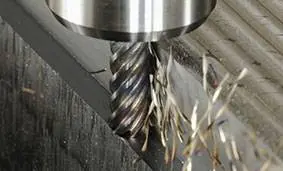
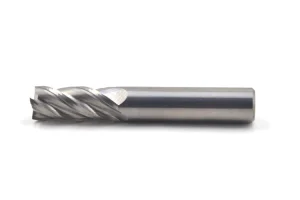
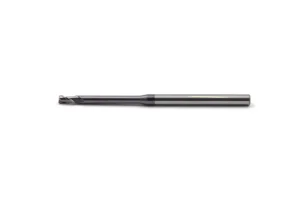
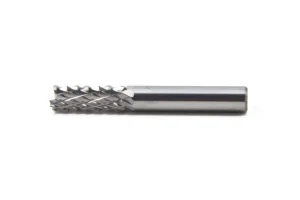
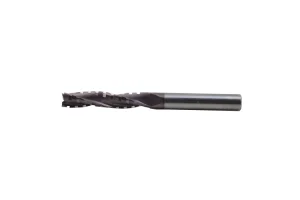
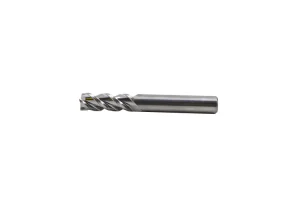
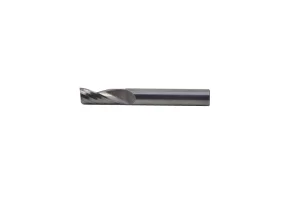
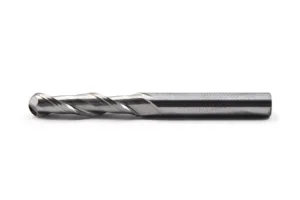
(square end mill) MCXD-S (ball nose end mill) MCXD-BN (corner radius end mill) MCXD-CR (Aluminum end mill) MCXD-A (Roughing end mill) MCXD-R
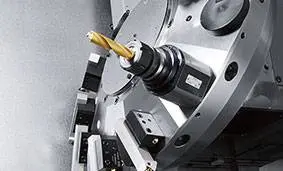
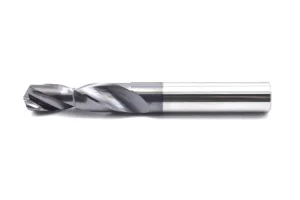
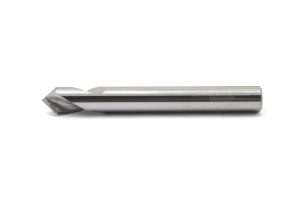
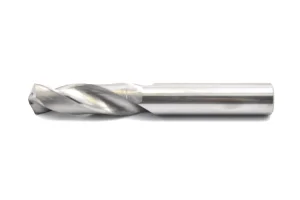
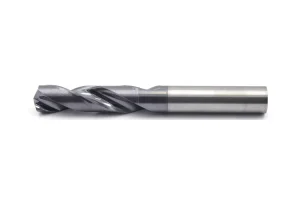
(Twist drill bit) MCZT-T (Drill bit with Inner coolant) MCZT-IC (Step drill bit) MCZT-S (center drill bit) MCZT-C (Nc spotting drill bit) MCZT-N
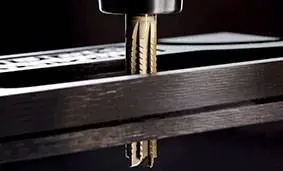
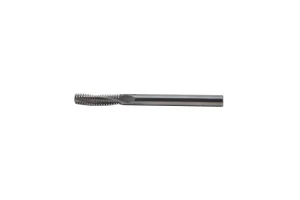
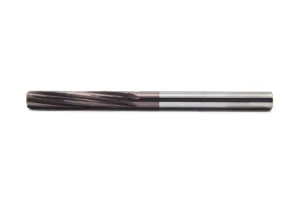
(straight flute reamer) MCJD-ST (spiral flute reamer) MCJD-SP
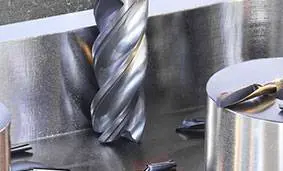
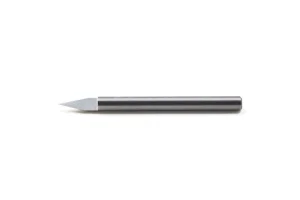
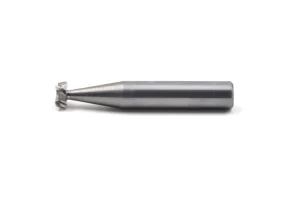
(CNC Engraving Tools) MCDZ-E (T-slot end mill) MCDZ-T (customized milling cutter) MCDZ
Industry Partner Insights: Come and play online at Joycasino. Play gambling for money on the Vavada Live service. Sign up at Casino-X. Start gambling today in the club Jozz. Cat Casino gambling service.
Carbide corner radius tools are not just components; they are critical elements in macro-level industry solutions:
Most search queries regarding "Corner Radius End Mills" stem from a need to solve edge wear issues. By selecting a radius mill, you are intentionally choosing to distribute the cutting force over a larger surface area, preventing the heat-build up that causes square corners to fail. This is the ultimate "Information Gain" for a workshop manager looking to optimize cycle times.
A: The corner radius significantly increases tool strength by removing the sharp point most susceptible to chipping. It also allows for smoother fillets in pocket milling, reducing the need for manual deburring.
A: A larger radius generally provides better tool life and higher feed rates. However, the radius must be smaller than the minimum fillet radius required by the part blueprint. Common sizes range from 0.2mm to 3.0mm depending on tool diameter.
A: Absolutely. Our MCXD-A series is specifically designed with polished flutes and specialized geometries for non-ferrous materials, preventing chip welding while maintaining high-speed performance.
A: Our AlTiN and TiAlN coatings provide a thermal barrier that prevents heat from transferring into the carbide substrate, allowing the tool to maintain its hardness even at red-heat during dry cutting of materials up to HRC 65.
Research encompasses an exhaustive study of the business space with regards to pivotal industry drivers, market share analysis, and latest trends.
Introduction of the Fullcut Radius Mill (FRM) and Ball End Mill (BE) series featuring four connection sizes and seven cutter types for maximum machining capacity.

Expert support for tool selection and machining parameters.
Specialized in high precision carbide tools, milling cutters, carbide drills, and reamers. Equipped with Walter and TTB machinery.