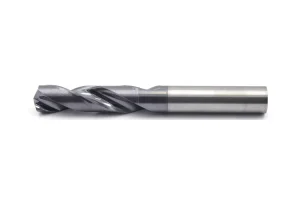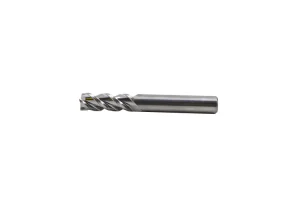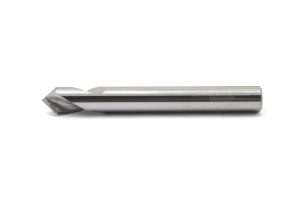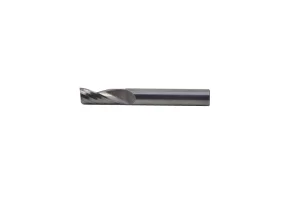
Explore our high-performance rotary tool collection featuring advanced micro-grain substrates and custom geometries for uncompromising metal removal rates.
Millcraft Tools (Changzhou) Co.,Ltd is a professional manufacturer of cutting tools. We are specialized in producing high precision carbide tools, milling cutters, carbide drills, reamers, boring cutter, ect. Our advantages are micro endmills and high quality carbide drills. We have "Walter", "TTB" and "Joerg" machines and "Zoller" measuring devices. Under strict QC and precision control, we deliver micro-grain and ultra-micro-grain solid carbide tools that maximize manufacturing efficiency worldwide.
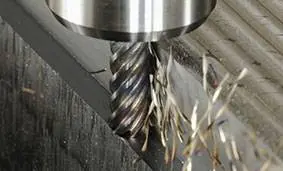
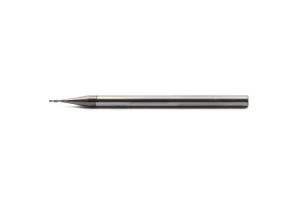
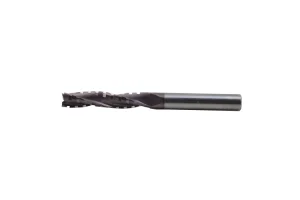
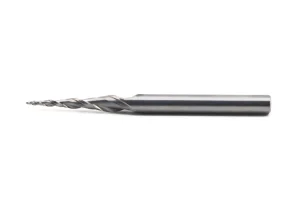
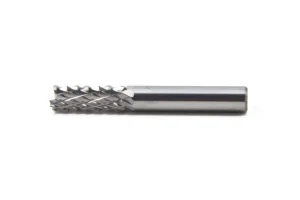
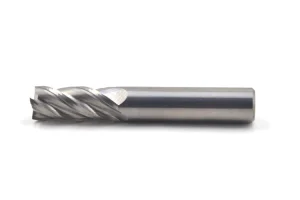
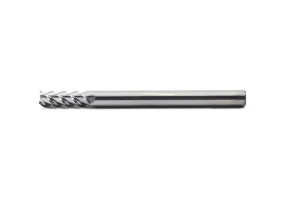
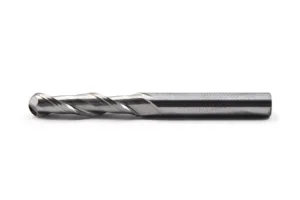
(square end mill) MCXD-S (ball nose end mill) MCXD-BN (corner radius) MCXD-CR (Aluminum) MCXD-A (Roughing) MCXD-R
Explore Category →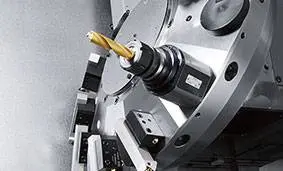
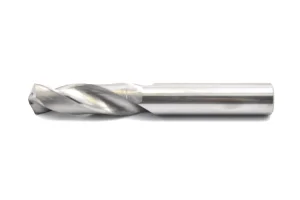
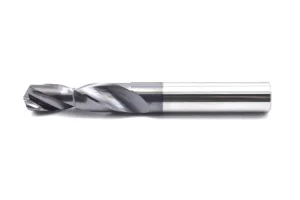
(Twist drill bit) MCZT-T (Inner coolant) MCZT-IC (Step drill) MCZT-S (center drill) MCZT-C (Nc spotting) MCZT-N
Explore Category →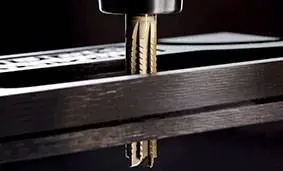
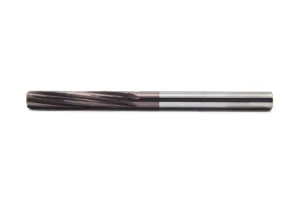
(straight flute reamer) MCJD-ST (spiral flute reamer) MCJD-SP
Explore Category →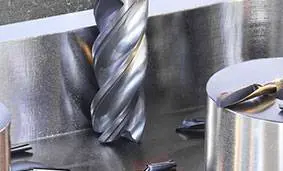
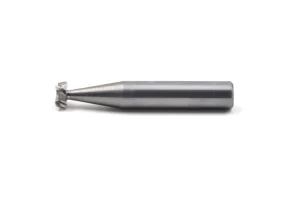
(CNC Engraving Tools) MCDZ-E (T-slot end mill) MCDZ-T (customized milling cutter) MCDZ
Explore Category →Understanding how Millcraft integrates state-of-the-art European machining platforms with localized raw material access to offer cost-competitive, world-class milling tools.
Modern metal processing demands extreme repeatability and minimal tolerances. To deliver this level of precision, Millcraft Tools utilizes a multi-axis CNC grinding framework backed by Walter (Germany) and TTB (Switzerland) multi-spindle grinding machines. This hardware integration allows us to grind complex geometries—such as variable index and progressive helix angles—in a single setup, eliminating mechanical errors and improving concentricity.
Our thermal-stable manufacturing facility in Changzhou leverages closed-loop robotic loading systems that support lights-out manufacturing. This allows us to scale production while ensuring that every batch of micro endmills matches the precise mathematical CAD profile designed by our engineering division.
No manufacturing system can outperform its measurement feedback. Millcraft incorporates Zoller Genius 3 universal measuring machines to conduct non-contact, 3D laser-optics inspections of all critical cutting parameters. We inspect the run-out of the core diameter, rake angles, relief angles, and structural coating thickness. By integrating metrology data directly with our CNC grinders, we maintain a process capability index (Cpk) far exceeding industry standards.
We source our raw tungsten carbide material from premium global supply chains, specifying grain matrices of ultra-micro and nano-grain structures (typically <0.4μm). This fine grain size increases the hardness (up to 92-94 HRA) while maintaining sufficient transverse rupture strength (TRS) to resist edge chipping under heavy chipping loads. High cobalt concentrations (up to 12%) are utilized for structural stability in dynamic milling environments, ensuring that tool tips remain intact even when machining highly abrasive or hardened steels.
Data-driven metrics that showcase our production capacity, quality assurance, and global compliance standards.
How physical vapor deposition (PVD) coatings and variable helix geometry are shaping the future of high-speed machining (HSM).
Coatings act as the thermal and mechanical barrier between the tungsten carbide substrate and the workpiece. Millcraft is actively engineering advanced multi-layer coatings to withstand extreme shear zones. Our current coatings include:
Standard uniform-helix end mills suffer from harmonic resonance, which induces chatter and ruins surface finish. Our design roadmap emphasizes unequal flute indexing (pitch) and progressive helix configurations. By varying the angle of the helix along the cutting edge, the frequency of cutting impacts is randomized. This breaks the harmonic cycles, lowers spindle vibration, increases axial depth of cut (Ap), and extends spindle life.
Heat dissipation is the bottleneck of deep cavity milling. Our line of coolant-through solid carbide drills and end mills features internal helical fluid conduits. These channels deliver pressurized lubricant directly to the primary cutting zone, ensuring fast chip evacuation and protecting tool edges from micro-cracking caused by thermal shock.
Delivering high-efficiency machining across critical industrial sectors with custom carbide tool designs.
Designed for difficult-to-machine alloys like Titanium (Ti-6Al-4V) and Inconel. Engineered to handle high mechanical stress while maintaining low thermal transfer back to the spindle.
High-volume processing of high-silicon aluminum engine blocks, cast iron housings, and transmission shafts. Optimizes cycle time and minimizes tool replacement intervals.
Precision micro-diameter end mills for milling medical-grade titanium implants, joint replacements, and high-purity stainless surgical instruments demanding zero edge burr.
Optimized ball nose and corner radius tools with ultra-tough coatings for deep cavity roughing and high-precision finishing of hardened molds up to 60-65 HRC.
Assuring supply chain stability, international certifications, and seamless B2B logistics integration.
When sourcing cutting tools from China, B2B procurement professionals must evaluate several critical parameters to protect operational workflows. Below is the framework we implement for every client:
Our factory processes comply fully with ISO 9001:2015 Quality Management Systems. We monitor all processes to meet REACH and RoHS directives, ensuring that no hazardous substances are present in our lubricants, substrates, or coatings. Additionally, we integrate ecological oil-mist reclamation systems at every grinding station to ensure safety and environmental sustainability.
Stay informed with the latest updates from the global milling, tool holding, and precision manufacturing sectors.
Find authoritative answers regarding customizations, material specifications, ordering terms, and performance parameters.
Browse our advanced geometries featuring taper routing, roughing profiles, PCB-specific routers, and high-feed index designs.