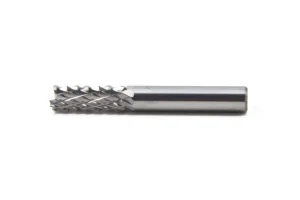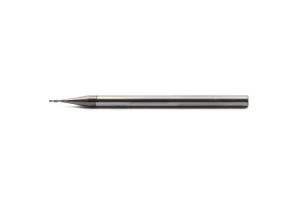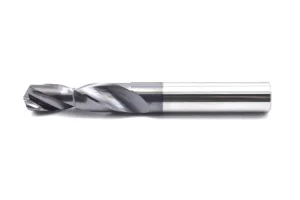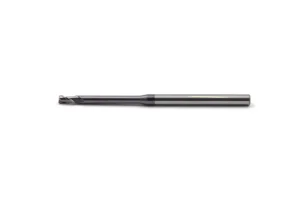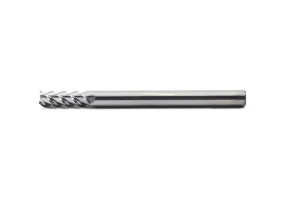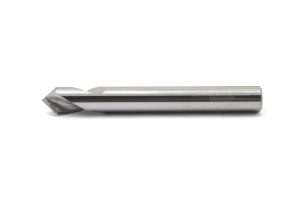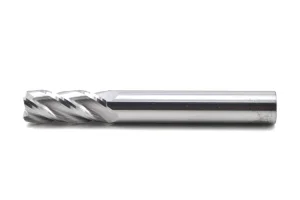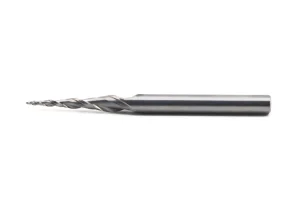
Premium Solid & Brazed Carbide Milling Cutters, Drills, and Specialty Routers Engineered for Heavy Duty Machining Applications
In modern industrial subtractive manufacturing, the search for optimal material removal rates (MRR) and prolonged tool life has driven tool designers to push boundaries. Brazed Carbide Milling Cutters represent a critical architectural bridge between solid carbide tool bodies and traditional indexable insert structures. The brazing process joins high-hardness, wear-resistant sub-micron carbide tips to tough, shock-absorbing alloy steel tool shanks. This metallurgy combination enables high shear resistance, superior torque absorption, and unparalleled dampening characteristics when machining difficult metals under heavy chip loads.
By localizing tungsten carbide exclusively at the cutting edges and structural wear zones, manufacturers mitigate the high costs associated with massive solid carbide tools. Concurrently, the brazed joint serves as a thermal barrier, limiting rapid heat conduction from the cutting zone back into the spindle. Choosing the correct brazing filler metal (often high-performance silver-copper-nickel active alloys) and maintaining a strict, non-oxidizing atmosphere are critical to ensuring the joint's shear strength exceeds that of the steel shank itself. This achieves high-speed machining (HSM) efficiency without catastrophic fracture risks.
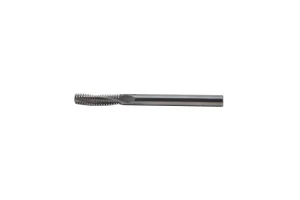
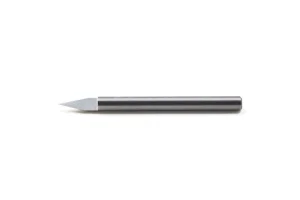
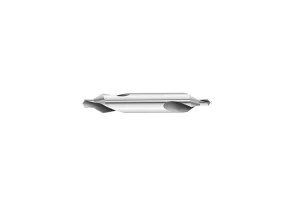
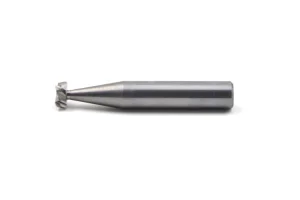
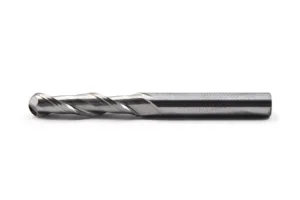
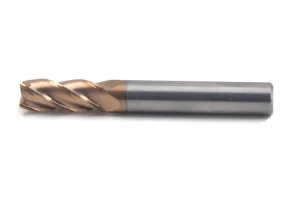
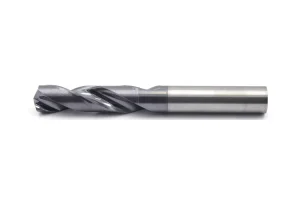
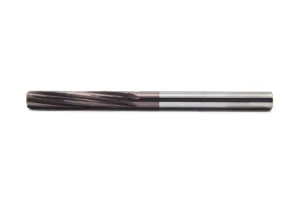
Under strict manufacturing controls, our product matrix covers the complete range of machining requirements, spanning end mills, drill bits, reamers, and customized tooling assemblies.
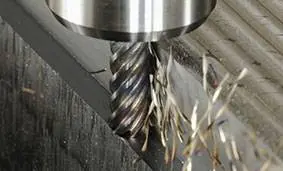
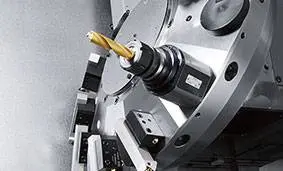
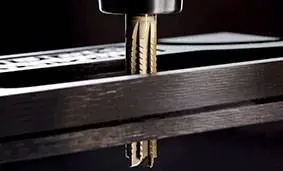
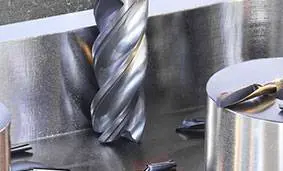
To ensure high tool reliability, the selection of raw tungsten carbide grades must align with the target workpiece material. Below is a breakdown of our high-grade tool materials:
Sub-micron Grade (0.5µm - 0.8µm Grain Size): Configured with 10% to 12% Cobalt binder content, this substrate exhibits excellent transverse rupture strength (TRS) exceeding 4000 MPa and a hardness rating of HV30 1600-1800. This grade is primarily used for micro-diameter mills and finishing tools where edge retention is critical.
Medium-Coarse Grade (1.2µm - 1.8µm Grain Size): Configured with 8% to 10% Cobalt binder, this substrate balances impact resistance with high wear resistance, making it suitable for roughing and interrupted cut applications.
The global demand for high-efficiency brazed carbide tooling is driven by structural shifts in heavy manufacturing, precision machining, and clean-energy infrastructure. Large-scale procurement teams in Europe, North America, and East Asia are moving away from general-purpose tools to focus on application-optimized cutters that lower the total cost-per-part.
In aerospace manufacturing, components like wing spars, engine casings, and structural bulkheads are machined from monolithic blocks of titanium alloys (such as Ti-6Al-4V) and nickel-based superalloys (Inconel 718). These materials feature low thermal conductivity and high work-hardening characteristics. Standard tooling fails rapidly under these conditions due to extreme heat buildup at the cutting edge. Our optimized brazed carbide cutters feature variable helix geometries and specialized heat-resistant PVD coatings (like AlTiN or TiAlSiN), which prevent premature thermal cracking and notch wear, allowing for higher cutting speeds and stable processing.
The automotive industry requires high-volume machining of cast irons, aluminum alloys, and hardened steels. With the transition to electric vehicles (EVs), there is an increasing demand for high-efficiency milling of lightweight aluminum battery enclosures and high-strength motor shafts. Customized multi-stepped drills and indexable brazed milling tools allow multiple features to be machined in a single pass. This minimizes tool-change times, maintains tight positional tolerances, and maximizes throughput on automated transfer lines.
Machining deep cavities in hardened tool steels (such as H13, D2, and P20) requires high-rigidity cutters with extended reach. Solid carbide tools of this length are prone to deflection, vibration, and breakage. By utilizing high-tensile steel shanks with brazed carbide cutting heads, we combine the rigidity of carbide cutting edges with the dampening properties of structural steel. This combination reduces tool chatter, improves surface finish (Ra), and extends the life of the machine spindle.
Our commitment to tool quality relies on advanced manufacturing equipment, strict metrology protocols, and continuous investment in coating technologies. The process below outlines our production journey from raw substrate to finished tool:
Millcraft Tools (Changzhou) Co.,Ltd is a professional manufacturer of cutting tools. We are specialized in producing high precision carbide tools, milling cutters, carbide drills, reamers, boring cutter, ect. Our advantages are micro endmills and high quality carbide drills. We have “Walter”, “TTB” and “Joerg” machines and “Zoller” measuring devices.
The geometries of our cutting edges are ground on German-engineered Walter Power grinders and Swiss-built TTB machines. These platforms feature high thermal stability and active linear-motor feedback systems, ensuring grinding tolerances are kept within ±0.002 mm. Specialized wheels grind the flute geometry, relief angles, and rake faces in a single setup to minimize runout error.
Brazing tungsten carbide to steel requires managing the differences in thermal expansion between the two materials. Carbide has a low coefficient of thermal expansion (CTE) compared to tool steel. To prevent internal stress cracking, we use high-frequency induction brazing with silver-based filler alloys. The process is temperature-controlled to ensure uniform capillary action and a reliable joint interface.
To resist abrasive wear and high thermal loads, our cutters undergo thin-film coating treatment. Physical Vapor Deposition (PVD) is used for sharp-edged tools, applying thin layers of AlTiN or TiAlSiN. For heavy-duty roughing applications, Chemical Vapor Deposition (CVD) is used to apply thick layers of diamond or alumina coatings, protecting the carbide substrate from heat-induced deformation.
Every batch of tools undergoes automated quality control. Using Zoller Genius 3 inspection systems, we measure flute profile, core diameter, runout, and coating thickness. Tool dimensions are documented in a quality report, ensuring consistent, batch-to-batch performance for our customers.
Operating a global supply chain requires adherence to international manufacturing standards, trade regulations, and customs laws. Our products are manufactured under ISO 9001:2015 quality management systems, ensuring traceability from raw material batch to shipped tool. We also ensure compliance with RoHS and REACH regulations, avoiding the use of hazardous substances in our manufacturing processes.
We work with international shipping companies to offer delivery options including air freight, sea freight, and multimodal express options. For high-volume manufacturing partners, we offer custom supply chain agreements, including safety stock management and just-in-time (JIT) delivery, helping to reduce inventory carrying costs and prevent tool shortages on the factory floor.
Read about market trends, tool design updates, and manufacturing innovations
Answers to common questions about selection, optimization, and maintenance of brazed tooling
Brazed cutters combine a tough alloy steel shank with highly wear-resistant carbide cutting edges. The steel shank provides higher impact strength and vibration damping compared to solid carbide, which helps prevent breakage in deep-cavity or heavy-duty milling applications. Additionally, utilizing steel for the tool body reduces overall material costs, particularly for large-diameter tools.
We use silver-copper-nickel active brazing alloys with controlled induction heating, ensuring a void-free interface joint. This alloy composition matches the thermal expansion mismatch between tungsten carbide and steel, maintaining joint integrity at operating temperatures up to 600°C.
Yes, brazed cutters can be resharpened on CNC tool grinders. Depending on the level of wear and the thickness of the carbide tip, a tool can generally be resharpened 3 to 5 times. Re-coating is recommended after each sharpening to maintain tool life.
For titanium and nickel-based superalloys, we recommend PVD coatings such as AlTiN or TiAlSiN. These coatings form a protective aluminum-oxide layer at high temperatures, preventing heat from penetrating the carbide substrate and reducing wear.
Cutting parameters depend on the workpiece material hardness, machine spindle rigidity, and cooling setup. We recommend starting with the parameters provided in our product catalog and adjusting the feed-per-tooth based on chip thickness and cutting force feedback.
Standard tool geometries are shipped within 3 to 5 business days from stock. Custom tool designs require 15 to 25 business days, including engineering drawing approval, precision grinding, brazing, coating, and quality testing.
Heavy-duty solutions for die/mold fabrication, holemaking, and high-performance metal removal