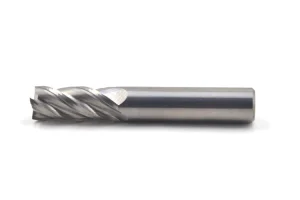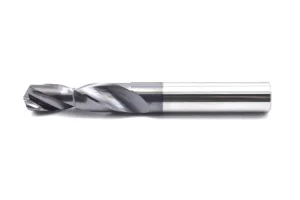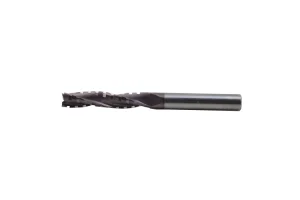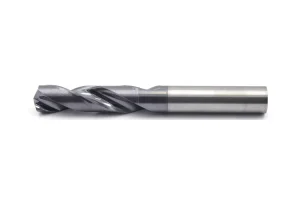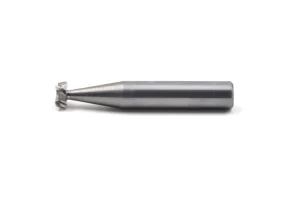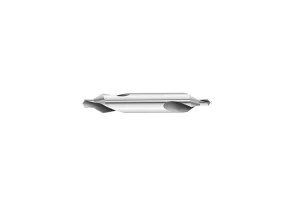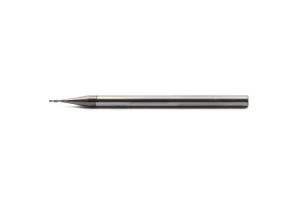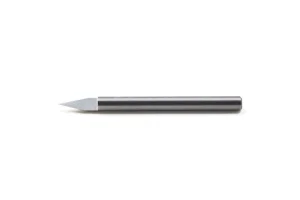
Explore our top-performing solid carbide end mills, drills, and reamers engineered for high-precision subtractive manufacturing.
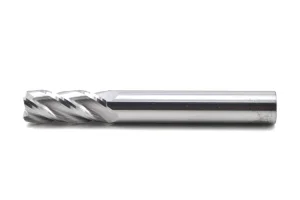
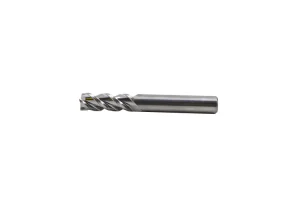
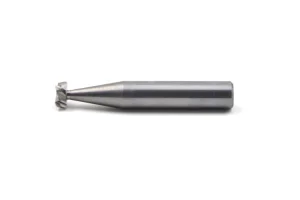
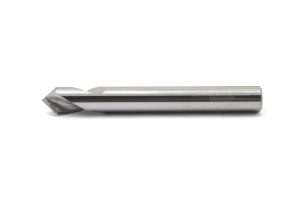
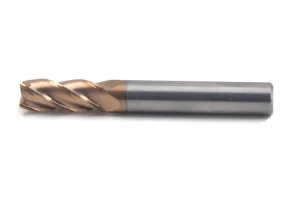
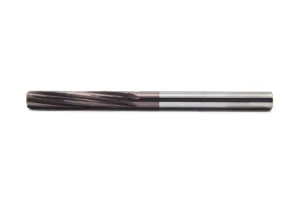
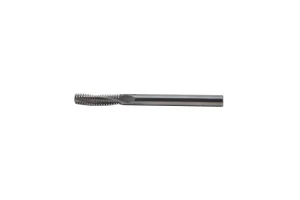
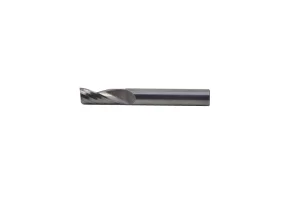
An In-depth Economic & Technical Analysis of Carbide Resource Conservation and High-Precision Machining Operations.
How industry-leading grinding machinery restores worn cutting edges to OEM-grade specifications.
Used end mills must be thoroughly inspected using digital metrology systems like Zoller Genius. The process detects edge chipping, outer diameter reduction, and structural micro-cracks. Tools with micro-fractures in the core are diverted to recycling, while others are selected for regrinding.
Using 5-axis CNC grinding machines (such as Walter Helitronic or TTB systems), the rake face and flank angles of the worn cutter are ground back. A controlled reduction of the outer diameter is implemented, recalculating the relief angles to match the new cutting radius.
Before grinding, old physical vapor deposition (PVD) coatings are chemically stripped to prevent uneven surface thickness. Once reground, the tools receive fresh coatings like AlTiN (Aluminum Titanium Nitride) or DLC to withstand high-temperature friction.
Our standardized product series designed for diverse high-precision drilling, milling, and reaming operations.
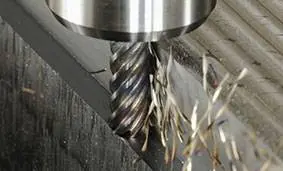
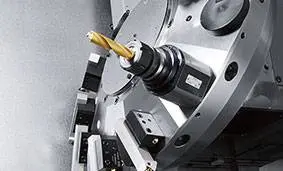
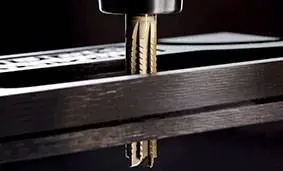
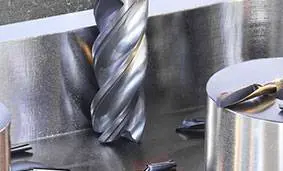
We are a highly specialized manufacturer dedicated to high-precision carbide tools. Our core product competencies include micro end mills, industrial carbide drills, boring cutters, and highly accurate customized cutting solutions. In order to guarantee the extreme geometric consistency required by aerospace and medical components, our modern manufacturing facility is equipped with state-of-the-art **"Walter"**, **"TTB"**, and **"Joerg"** CNC grinding platforms, with quality verified by high-precision **"Zoller"** optical measuring devices.
Our production workflow guarantees sub-micron runout accuracy and optimized surface roughness on every single cutter. Whether grinding from pristine virgin tungsten rods or restoring used cutter bodies to precise tolerance parameters, our tech stack ensures high performance and reliable tool life.
As part of our commitment to maintaining a wide digital and research presence, we support and collaborate across a broad spectrum of online networks and media resources. Explore these reference links:
Analyzing regional compliance, sustainability standards, and localized support paradigms for high-precision cutting tools.
Modern metalworking is caught between strict carbon footprint metrics and the need for high efficiency. Tungsten is a critical raw material with localized mining zones, making recycling programs for used carbide tools a vital supply chain hedge. Premium manufacturers are using circular material systems where spent tools are returned to the factory, reconditioned if structurally sound, or chemically processed to produce high-purity recycled carbide powder.
Implementing this closed-loop system reduces manufacturing energy consumption by up to 70% compared to processing virgin ore. Procurement agents are now evaluating suppliers based on their capacity to support tool lifecycle programs, including localized regrinding support and transparent trade-in frameworks for worn-out cutters.
Operating across global industrial markets requires adhering to strict regional standards. In Europe, carbide formulations must comply with REACH and RoHS regulations, ensuring cobalt content limits and other critical chemical additives are carefully controlled. In North America, aerospace standards like AS9100 govern tool performance, demanding complete traceability from the raw carbide grain size to the final grinding runout.
To meet these demands, we offer localized technical consulting services. Our engineers help clients analyze workpiece materials, machine spindle power, and chip evacuation rates to design the ideal custom end mill geometries. This tailored consulting drastically extends tool life and reduces scrap rates.
Different machining environments demand specific geometries and coating configurations to prevent premature edge wear:
Requires variable helix angles and unequal index pitches to suppress harmonic vibration. A high-aluminum PVD coating like AlTiN is used to form a protective aluminum oxide layer at temperatures up to 900°C.
Uses high-polish 2 or 3 flute configurations with a cylindrical margin to prevent built-up edge (BUE). DLC (Diamond-Like Carbon) coatings are applied to maintain low coefficient of friction.
Employs multi-flute (4F to 6F) corner radius or ball nose end mills with negative rake angles to reinforce cutting edges and prevent chipping under heavy loads.
Answers to critical engineering questions about reconditioning, lifecycle management, and custom carbide tooling.
Stay informed on the latest market dynamics and tooling innovations shaping the manufacturing sector.
Explore our specialized tooling options, from step drill bits to micro diameter cutters.