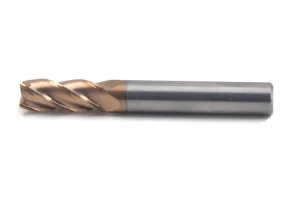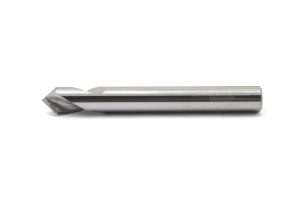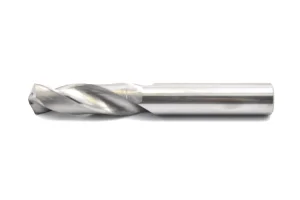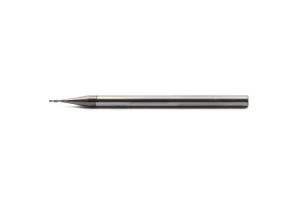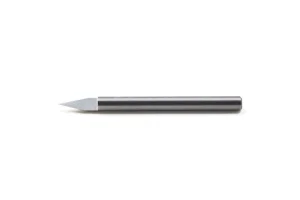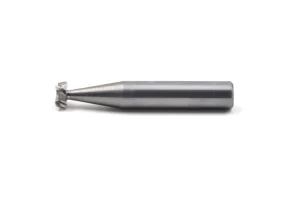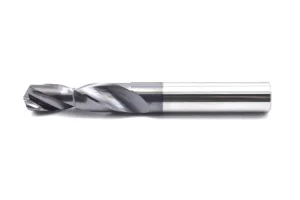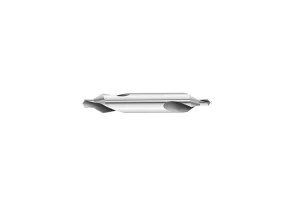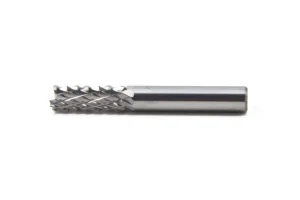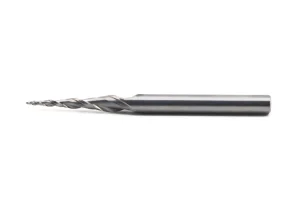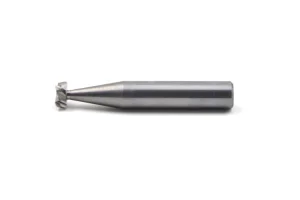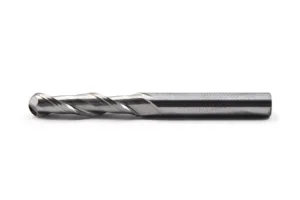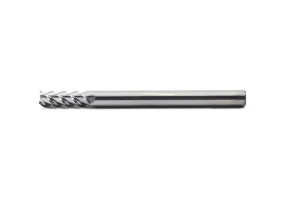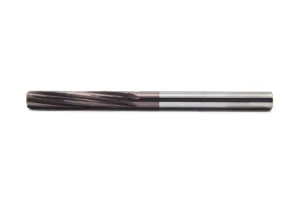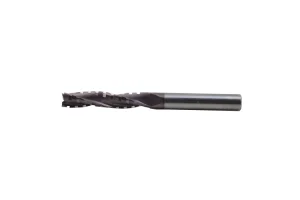
Explore our core high-precision rotary tooling catalog, engineered for micro-machining, heavy-duty profiling, and optimized metal cutting performance.
How Millcraft Tools combines European machinery and strict validation parameters to ensure zero-defect tool manufacturing.
Millcraft Tools (Changzhou) Co.,Ltd is a professional manufacturer of premium-grade cutting tools. We are specialized in producing high-precision carbide tools, solid carbide milling cutters, carbide drills, reamers, and customized boring cutters.
Our core technological advantages lie in micro end mills and ultra-precise high-performance carbide drills. To maintain exceptional dimensional consistency, our climate-controlled manufacturing facility is equipped with German-engineered Walter CNC grinding systems, Swiss TTB high-speed grinding centers, and Joerg tool sharpening systems.
Systematic categorization of high-performance tooling classified by application-specific geometries.
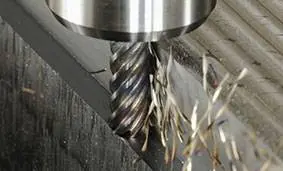
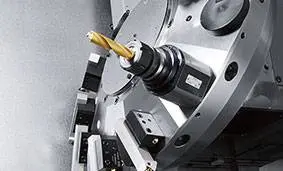
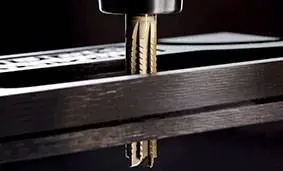
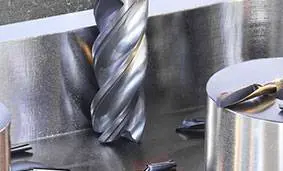
An analytical breakdown of modern CNC manufacturing economies, raw material supply lines, and industrial capabilities in Changzhou's precision tooling cluster.
The global manufacturing landscape demands rapid turnaround times, extreme component longevity, and robust supply chain continuity. To address these demands, our China Factory 4.0 initiatives integrate advanced Cyber-Physical Systems (CPS) with traditional high-precision machinery. In the heart of Changzhou's industrial tooling district, Millcraft Tools leverages localized upstream and downstream synergies to secure raw material access and accelerate processing cycles.
By digitizing production monitoring, we minimize human error and ensure that every solid carbide end mill exhibits identical performance parameters. This is particularly vital in long-run manufacturing contracts where inconsistency between tools leads to premature failure and costly machine downtime. Through automated scheduling, real-time tool-wear analysis of our Walter grinding machines, and integrated logistics, we deliver premium performance without the premium price tag.
Tool resilience starts at the molecular level. Our factory utilizes raw materials with sub-micron and ultra-fine grain structures (ranging from 0.2μm to 0.6μm) sourced from reliable metallurgical suppliers. Coarsely grained carbide matrices are highly susceptible to micro-chipping along the cutting edge.
By utilizing a cobalt content binder optimized between 10% and 12%, we establish an ideal balance between hardness (measured on the Vickers hardness scale, HV30) and transverse rupture strength (TRS). This structural resilience underpins our entire catalog—from standard 4-flute flat end mills to high-density PCB routers, ensuring our clients receive tooling that withstands severe mechanical shock.
Deciphering technical requirements for enterprise procurement managers, standard ISO requirements, and localized tool customization.
Enterprise procurement managers often face the dilemma of choosing standard catalog items versus investing in customized tooling geometries. Standard solid carbide end mills (such as 4-flute or 2-flute configurations) offer immediate availability and standardized performance profiles. However, complex workpieces, such as those found in aerospace turbine impellers or automotive transmission casings, often demand tailored profiles.
Our engineering team bridges this gap by offering a streamlined customized pipeline (MCDZ). When an enterprise requests custom tools, we analyze the workpiece material, the target CNC machinery parameters (RPM limit, coolant delivery type, spindle torque curves), and the chip evacuation characteristics. We then design custom step drills, multi-diameter reamers, or specialized profile cutters that combine multiple operations into a single toolpath, resulting in a direct cycle time reduction of up to 40%.
Traceable carbide substrates adhering to ISO K10, K20, and K30 classifications. Complete certifications for hardness, density, and average grain size are provided upon enterprise request.
Every batch undergoes non-contact optical inspection on Zoller Genius metrology systems to verify core parameters, including flute profile, relief angle, and helix angle accuracy within ±0.005mm.
Advanced edge preparation (honing) processes to remove microscopic burrs and micro-cracks, followed by state-of-the-art PVD/CVD coating application (AlTiN, TiAlN, nACo, DLC) for prolonged life.
Anticipating the next decade of materials science, advanced coatings, and real-time machining feedback systems.
As machining speeds increase, the heat generated at the cutting zone escalates dramatically. Traditional uncoated carbide tools degrade quickly at temperatures exceeding 600°C. Our technical roadmap focuses heavily on advanced physical vapor deposition (PVD) and chemical vapor deposition (CVD) coatings.
Nano-composite coatings like nACo (Nano-crystalline AlTiN / amorphous Si3N4) and AlTiN provide exceptional heat resistance (up to 900°C) and surface hardness reaching 3600 HV. During cutting operations, these coatings form a protective aluminum oxide (Al2O3) layer that reflects heat away from the tool core and into the chips. For non-ferrous applications, such as high-silicon aluminum or copper alloys, we deploy Diamond-Like Carbon (DLC) coatings that provide an extremely low coefficient of friction, completely mitigating tool clogging and built-up edge (BUE).
Machining vibration (chatter) is the primary cause of poor surface finishes and catastrophic tool failure. Traditional end mills with constant helix angles and equal flute spacing generate harmonic resonance during high-speed machining.
Our engineering roadmap introduces variable helix angles (e.g., 35° / 38°) and unequal flute spacing. This geometry constantly alters the phase of the cutting forces, disrupting harmonic reinforcement and dampening vibration. By mitigating chatter, machinists can run their spindles at higher feed rates and achieve significantly deeper radial and axial cuts, drastically increasing material removal rates (MRR).
Tailoring specific carbide tooling combinations to solve production bottlenecks in aerospace, automotive, medical, and electronics manufacturing.
Machining structural titanium alloys (Ti-6Al-4V) and heat-resistant superalloys (HRSA) like Inconel requires tools with extreme thermal stability. Our 4-flute flat end mills combined with high-pressure internal coolant drills (MCZT-IC) maintain core integrity and ensure rapid heat dissipation directly from the cutting zone.
High-volume production of aluminum engine blocks and cast-iron housings demands extreme cycle time optimization. We supply custom step drill bits and dedicated multi-flute carbide reamers (MCJD) that run at optimized feed rates to achieve tight dimensional tolerances and H7 hole finishes in a single pass.
Surgical implants, joint replacements, and medical instruments are typically machined from surgical-grade stainless steels and titanium. Our micro-diameter end mills (down to 0.1mm) feature optimized relief angles to prevent work hardening and ensure excellent micro-surface finishes.
High-speed routing of glass-reinforced epoxy laminates (FR-4) requires tools with high wear resistance to abrasive materials. Our dedicated Carbide PCB End Mill Router Bits are engineered with fish-tail profiles to guarantee clean edge definition and eliminate composite delamination.
Securing worldwide operational stability through distributed engineering support, logistical networks, and customized tooling blueprints.
At Millcraft Tools, we recognize that delivering high-performance tools is only half the battle. A truly optimized supplier must offer comprehensive engineering support to ensure those tools are run under optimal parameters. Our global technical support program provides detailed cutting-data recommendations, including customized Speeds and Feeds calculators adapted to the specific machine spindles of our customers.
Through our streamlined communication channels, global procurement departments can coordinate directly with our engineering office in Changzhou. We analyze raw material properties, process tolerances, and tooling blueprints via encrypted CAD/CAM channels, guaranteeing complete intellectual property protection. Our logistical pipeline supports express air freight and consolidated sea freight, allowing us to maintain stable tooling lead times regardless of destination.
Technical answers to help engineering and purchasing teams make informed decisions regarding solid carbide cutting tools.
Stay updated with structural developments, market trends, and technical achievements in the global rotary tooling market.
Explore specialized tools designed for engraving, finishing, reaming, and high-performance roughing across diverse workpieces.

Technical advice & order acceptance. Get in touch with our engineers for custom specifications and order processing.