
Top 10 Carbide End Mills for Aluminum You Need to Buy Now?

Time:2026-08-22 Author:Oliver
0%

When it comes to machining aluminum, the right tools make all the difference. A high-quality carbide end mill for aluminum can enhance both efficiency and precision. Selecting the best tools often feels overwhelming. There are numerous options available, each with unique features.

Carbide end mills are preferred for their durability and cutting performance. They can achieve smoother finishes, reducing post-processing work. However, not all carbide end mills are created equal. Some may struggle with different grades of aluminum, while others excel in specific applications. It’s essential to know what to look for in these tools.

Investing in the right carbide end mill for aluminum can save time and money. It’s crucial to balance performance with cost. Some mills offer high speed but may wear out quickly. Others provide longevity but might underperform. Understanding these trade-offs is key to making an informed choice. Through careful selection, you can find a carbide end mill that meets your specific needs.
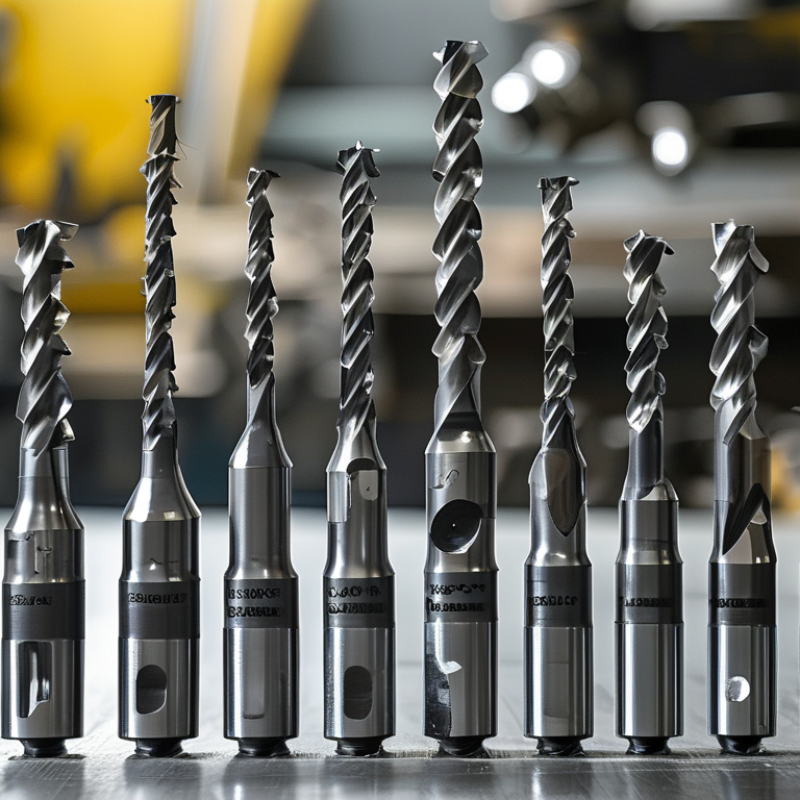
Top 10 Carbide End Mills for Aluminum You Need to Buy Now?

Introduction to Carbide End Mills for Aluminum

Carbide end mills are essential for machining aluminum. Their design helps achieve superior finishes and precision. These tools cut through aluminum efficiently, producing clean edges and reducing burr formation. This is especially important in industries where precision matters, such as aerospace and automotive.

Different end mills serve various purposes. Some are designed for general milling, while others specialize in contouring or slotting. It's vital to choose the right type for the job. A wrong selection can lead to poor results and wasted materials. Understanding cutting speeds and feeds also plays a critical role. An improper feed rate can cause excessive wear or damage the tool.

Users often overlook tool maintenance. Regular sharpening and proper storage can extend the life of carbide end mills. It's an area worth improvement, as many do not prioritize upkeep. Identifying the right balance between cost and performance is another factor. Some may jump at cheaper options, only to regret the choice later. Awareness of these details can lead to better outcomes in machining aluminum.

Benefits of Using Carbide End Mills for Aluminum Machining

Carbide end mills are crucial for aluminum machining due to their superior performance and longevity. These tools typically outperform high-speed steel (HSS) end mills, particularly in demanding applications. According to industry studies, carbide end mills can withstand higher temperatures, increasing their cutting efficiency by about 30%. Their hardness allows them to maintain sharpness longer, reducing the frequency of tool changes and leading to significant cost savings in production.

Utilizing carbide end mills also enhances surface finish quality on aluminum parts. This is particularly important in industries like aerospace and automotive, where precision is key. A report from the American Machining Association indicates that the use of high-performance carbide tools can improve part accuracy by up to 25%. However, it’s essential to recognize that not all carbide end mills are created equal. Tool geometry, coating, and cutting parameters must be tailored to specific aluminum grades for optimal results.

While carbides present clear advantages, they are also more brittle than HSS. This can lead to unexpected breakage under improper conditions. Operators must be knowledgeable about machining parameters, like feed rate and spindle speed, to prevent tool failure. Making educated choices about machining strategies can greatly influence the effectiveness of carbide end mills in aluminum processing.

Top Features to Look for in Carbide End Mills for Aluminum

When choosing carbide end mills for aluminum, certain features become crucial. Start with the design of the cutting edges. Look for geometries that facilitate chip removal. A positive rake angle can enhance cutting efficiency. This feature minimizes the cutting force needed, allowing for cleaner and faster finishes. Additionally, a coating like TiAlN can improve performance by reducing wear. This can be particularly important when working with softer materials like aluminum.

Surface finish plays a significant role in the end mill's effectiveness. A smooth finish reduces friction and helps in maintaining longevity. However, not all manufacturers achieve the same standards. Ensure you research reviews or performance reports to gauge reliability. Another essential aspect is the flute number. Mills with four flutes can provide better rigidity for deeper cuts, but sometimes a two-flute design is advantageous for chip clearance. Make sure you understand your machining needs before making a choice. There is often a trade-off between speed and precision based on these features.

Review of the Top 10 Carbide End Mills for Aluminum

When it comes to machining aluminum, the right tools can make a significant difference. Carbide end mills are a popular choice due to their durability and effectiveness. Selecting the best ones for aluminum requires attention to detail. Different end mills feature varied geometries and coatings, impacting performance. Analyzing these elements is essential for achieving optimal results.

One common challenge is choosing the right type. Some end mills excel in high-speed applications, while others may perform better with slower feeds. It’s crucial to understand your specific needs. The material’s properties can complicate decisions as well, leading to potential missteps in tool selection. Airflow and cooling also play key roles in maintaining tool integrity during use.

In practice, even well-regarded options might not perform as expected in every scenario. Users may experience unexpected wear or inadequate finishes. Reflecting on these experiences can provide valuable insights for future projects. Experimenting with different end mills can help identify the best fit for specific tasks. This hands-on approach fosters a deeper understanding of machine operations and tool wear patterns.

Maintenance and Care Tips for Carbide End Mills

Maintaining carbide end mills, especially ones for aluminum, is crucial for their longevity and performance. Regular cleaning is essential. A simple rinse with a solvent can remove debris and coolant residue. This step helps avoid wear due to contaminants. Don’t overlook the importance of proper storage as well; storing tools in a dry place prevents rust.

Sharpening is another critical consideration. Dull tools can lead to subpar finishes. When you notice a lack of precision, it's time for a refresher. However, finding the right sharpening service takes time. Not all services use methods that preserve the tool’s integrity. Aim for professionals with experience in handling carbide materials.

Finally, always check for damage before use. Small chips can drastically affect performance. Frequent inspections promote efficiency and safety. Think about the cost of replacing a tool versus the value of maintaining it. Quality tools deserve attention, even if it requires extra effort.

FAQS

: What are carbide end mills used for in aluminum machining?

: Carbide end mills are used for precise cutting and finishing of aluminum. They provide clean edges and reduce burrs.

Why is it crucial to choose the right end mill type?

Selecting the wrong type can lead to poor results. It may waste materials and decrease efficiency in machining.

How does improper feed rate affect the end mill?

An incorrect feed rate can cause excessive wear on the tool. It can also damage the end mill, leading to costly replacements.

What maintenance is needed for carbide end mills?

Regular sharpening and proper storage are essential. Neglecting maintenance can shorten the tool's lifespan significantly.

What features should I look for in an end mill?

Look for designs that enhance chip removal and have a positive rake angle. These features improve cutting efficiency and finishes.

How does the number of flutes affect performance?

More flutes provide rigidity for deeper cuts. However, fewer flutes assist in better chip clearance during machining.

Can the material properties impact tool selection?

Yes, the characteristics of the aluminum can complicate choice. Understanding these properties is key for effective tool selection.

What role does coating play in end mill performance?

Coatings like TiAlN reduce wear and enhance performance. They are particularly important when machining softer materials like aluminum.

Are cheaper end mills always a better choice?

Cheaper options may seem appealing but could lead to regrets. They often lack performance, impacting overall project quality.

How can experimenting with different end mills be beneficial?

Testing various end mills helps identify the best fit for specific tasks. It fosters better understanding of machining operations and tool wear.

Conclusion

In the world of machining, choosing the right tools is crucial, especially when working with aluminum. This article focuses on the benefits and top features of using a carbide end mill for aluminum, which stands out for its durability and precision. Carbide end mills are specifically designed to handle the unique properties of aluminum, providing superior cutting performance and extended tool life.

The article reviews the top 10 carbide end mills for aluminum, highlighting their essential features such as cutting geometry and coating that can significantly enhance machining efficiency. Additionally, it offers maintenance and care tips to ensure these tools remain effective over time. By investing in quality carbide end mills for aluminum, machinists can achieve optimal results and improve overall productivity in their operations.

Oliver

Oliver

Oliver is a seasoned marketing professional with a wealth of expertise in driving brand awareness and engagement. With a deep understanding of our company's product offerings, he consistently delivers high-quality content that enriches our professional blog. His insights not only shed light on......