
When it comes to precision manufacturing, the choice of tools is critical. A high-quality Carbide End Mill can make all the difference. These cutting tools are known for their durability and efficiency in various applications. They are essential for achieving accurate and flawless results.
Carbide End Mills come in different shapes and sizes, tailored for specific tasks. Each option has its strengths and weaknesses. Understanding these differences can guide you in selecting the right tool. Do you prioritize performance or cost? Sometimes, the most expensive tool isn't the best choice. It's essential to weigh your options carefully.
In the manufacturing world, ensuring consistency and quality is non-negotiable. Carbide End Mills can significantly improve production efficiency. However, choosing the wrong type can lead to increased wear and tear. This can cause delays and unplanned costs. Investing time in understanding Carbide End Mill options will pay off. It can enhance both the quality of your products and the efficiency of your processes.
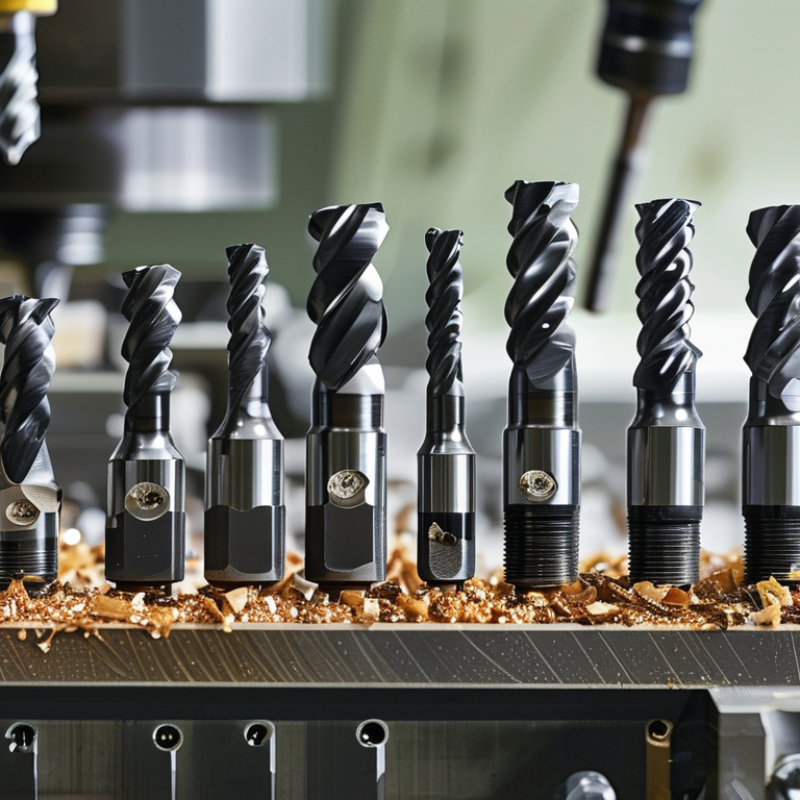
Carbide end mills are crucial tools in modern manufacturing. They are designed to cut through tough materials with precision. Their strength stems from tungsten carbide, which offers superior hardness and wear resistance. According to a recent industry report, about 75% of manufacturers prefer carbide end mills for their durability and efficiency.
The benefits of carbide end mills extend beyond material removal. They provide excellent surface finishes and reduced cycle times. Studies show that using these mills can significantly boost production speeds by up to 30%. Additionally, their thermal resistance allows for faster cuts without compromising tool life. However, operators must regularly review their tool choices to ensure they meet specific project demands.
Despite their advantages, carbide end mills can be costly. Proper maintenance is essential to maximize their lifespan. Many users encounter issues like chipping or dulling when not monitored closely. It highlights the need for systematic checks and a keen understanding of tool wear rates. Not all applications require carbide; some materials may perform better with alternative options. Therefore, careful consideration is vital in selecting the right tool for your needs.
When selecting carbide end mills for manufacturing, understanding flute design and coating options is critical. Flute design impacts chip removal efficiency and surface finish. Most end mills feature two, three, or four flutes. Each design choice influences the material removal rate. Studies reveal that two-flute end mills excel in chip evacuation, especially for softer materials like aluminum. Conversely, four-flute designs offer superior surface finish for harder materials due to their ability to engage more cutting edges at once.
Coating options add another layer of complexity to selection. Coatings enhance tool longevity and performance. Common coatings include TiN, TiAlN, and carbide-based options. Reports indicate that coated end mills can last up to 50% longer than uncoated ones under similar cutting conditions. However, not all coatings suit every application. It's essential to match the coating with the material being machined. Improper combinations can lead to premature tool wear. There is no one-size-fits-all solution.
End mill selection is a nuanced process. Factors such as flute design and coatings significantly affect performance. Manufacturers often must balance these factors with cost. Data from recent industry studies suggests that investing time in tool selection optimizes productivity. This process can be tedious and complex, reflecting the diverse needs of manufacturing environments.
When choosing a carbide end mill, understanding material compatibility is crucial. Different materials require distinct cutting tools for optimal performance. For example, high-speed steel is suitable for softer metals, but harder materials like titanium or inconel demand special end mills. These tools often have unique geometries to enhance cutting efficiency.
Carbide end mills are available in various coatings and shapes. A coated mill can reduce friction and heat buildup, which is vital for cutting tough materials. However, not all coatings are suitable for every application. Some might wear faster on softer materials. Users should consider the trade-offs between performance and durability based on their specific requirements.
Selecting the right end mill can be a challenge. It requires balancing several factors such as material type, tooling geometry, and cost. Test a few options to see what works best. Experience often reveals that what looks ideal on paper may not perform as expected on the shop floor. Adjustments may be necessary based on feedback from actual machining operations.
When selecting carbide end mills for manufacturing, many aspects come into play. Brands vary in terms of quality, design, and application. A deeper understanding can guide your choice.
Some manufacturers focus on high-speed machining. Others excel in optimizing wear resistance. The geometry of the end mill also affects performance. A specific shape might be better for aluminum, while another suits stainless steel. Users should consider their unique projects and materials.
Looking at user reviews can reveal strengths and weaknesses. Some tools perform better in heavy-duty applications. Others may show signs of wear faster than expected. Reflecting on real experiences helps in making informed decisions. Quality varies, and not all end mills meet high expectations. Understanding these differences leads to better selections.
Carbide end mills are essential for machining operations. Proper maintenance can significantly enhance their lifespan. Regularly inspecting your tools can lead to better performance. Specifically, check for wear, chips, and signs of damage.
One effective maintenance tip is to use the right cutting speed. Slower speeds can cause overheating, while excessively fast speeds may lead to premature wear. Adjusting these speeds will keep your end mills sharp for longer. Cleaning them after use is another critical step. Remove any chips or debris to avoid corrosion.
Routine sharpening is vital. This process ensures that your tools remain efficient. A dull end mill not only produces poor-quality work but also stresses the machine. It's worth investing in quality sharpening tools or services. Lastly, consider storing your end mills properly. Keeping them in protective cases or racks will help prevent damage. By following these tips, you can optimize the performance and lifespan of your carbide end mills.
| End Mill Type | Diameter (mm) | Flute Count | Material | Coating | Application | Maintenance Tips |
|---|---|---|---|---|---|---|
| Square End Mill | 10 | 4 | Carbide | TiN | General Milling | Keep clean and lubricated |
| Ball Nose End Mill | 12 | 2 | Carbide | TiAlN | 3D Profiling | Use appropriate coolant |
| Corner Radius End Mill | 8 | 3 | Carbide | Diamond | Aluminum Cutting | Store in a dry place |
| Tapered End Mill | 6 | 2 | Carbide | AlTiN | Engraving | Regularly inspect for wear |
| Roughing End Mill | 14 | 6 | Carbide | ZrN | Heavy Material Removal | Avoid overheating |
: Carbide end mills are tools designed for precision cutting in manufacturing processes.
They are made from tungsten carbide, which provides superior hardness and wear resistance.
About 75% of manufacturers prefer them for their durability and efficiency in cutting tough materials.
They deliver excellent surface finishes and can boost production speeds by up to 30%.
Regular checks are essential to avoid issues like chipping or dulling and to maximize tool life.
Not all applications require carbide; some materials may perform better with different tools.
The shape of the end mill influences its effectiveness with specific materials like aluminum or stainless steel.
Users should reflect on their unique projects, material types, and the specific performance needs.
Quality varies among brands; not all products meet expectations, so careful selection is important.
User reviews reveal practical experiences, helping to identify strengths and weaknesses of different tools.
Carbide end mills are essential tools in manufacturing, known for their durability and ability to achieve precise cuts. These mills come in various designs, including different flute geometries and coating options, which enhance their performance across a range of materials. Understanding these factors is crucial for selecting the right carbide end mill for specific applications, ensuring optimal efficiency and output quality.
Additionally, maintaining carbide end mills is vital for prolonging their lifespan and maintaining cutting effectiveness. Regular cleaning, proper storage, and the use of appropriate speeds can significantly enhance their longevity. By grasping these key points, manufacturers can make informed decisions regarding carbide end mills, ultimately improving their manufacturing processes.