
Choosing the right Cnc Roughing End Mill can change how quickly and cleanly a machine removes stock. A poor choice may create vibration, excess heat, or premature edge wear.
This guide examines ten leading roughing end mills for milling aluminum, steel, stainless steel, and other common materials. It considers flute design, carbide grade, coating, helix angle, rigidity, chip evacuation, and practical cutting performance. These details matter when a tool must remove heavy material without damaging the workpiece.
Real machining experience shows that no single end mill suits every setup. A tool that performs smoothly in a rigid vertical mill may struggle on a lighter machine. It depends.
The comparison also considers manufacturer reputation, dimensional consistency, published cutting data, and user feedback. These factors help buyers separate reliable tools from attractive but unproven options. Still, catalog specifications are not the whole story. Actual results can change with workholding, coolant, spindle power, tool projection, and operator judgment.
Some recommendations may deserve further testing. Tool life claims are not always directly comparable. Even experienced machinists can overlook small variables, such as a dull fixture or an incorrect radial engagement. That uncertainty is worth acknowledging.
Whether you need aggressive roughing, controlled chip breaking, or a better balance between cost and durability, this overview provides a practical starting point. Each selection is assessed for its strengths, limitations, and most suitable applications, helping you choose with greater confidence.
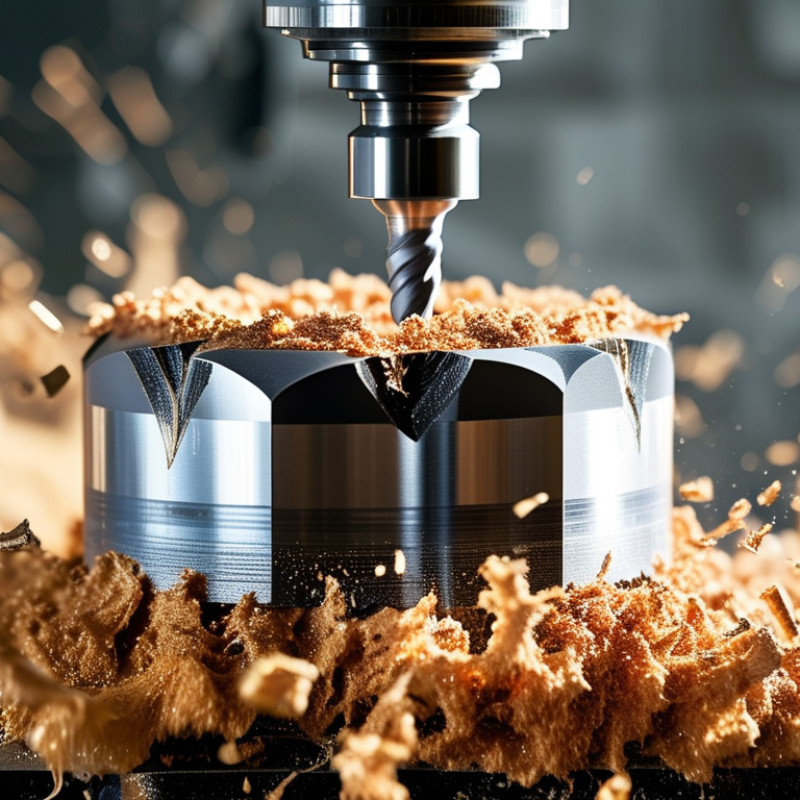
Choosing among the top 10 CNC roughing end mills requires more than comparing prices or flute counts. A suitable tool must remove large amounts of material without excessive vibration, heat, or premature wear. In practice, I check the cutter’s diameter, flute design, substrate, coating, and recommended cutting data together. A strong carbide body helps resist deflection during deep side cuts. It also supports stable performance in hardened or abrasive materials.
Chip evacuation is critical.
A roughing end mill with variable flute spacing can reduce harmonic vibration and produce a steadier cutting sound. Serrated or chipbreaker edges divide thick chips into smaller segments, reducing spindle load. However, aggressive serrations may leave a rougher surface and require a finishing pass. Coolant delivery matters too, especially in deep pockets where chips can recut and damage the tool. Keep chips moving.
Machine rigidity often determines whether a cutter performs well. A powerful spindle cannot compensate for a loose holder, excessive stick-out, or weak workholding. I once selected a high-feed rougher for a deep pocket, but the long projection caused chatter before the tool reached its rated feed. That mistake changed my selection process. Now, I reduce overhang, verify runout, and begin below the published maximum settings. Tool life varies with material, coolant, machine condition, and operator judgment, so catalog data should guide testing, not replace it. Load monitoring and regular edge inspection provide more reliable evidence than appearance alone.
Comparing the top 10 CNC roughing end mills requires more than checking catalog prices.
Start with the workpiece material, machine power, and target cutting depth. A cutter designed for aluminum may perform poorly in hardened steel. Record each tool’s diameter, flute count, helix angle, core thickness, and recommended cutting range.
Geometry matters greatly. Variable flute spacing can reduce chatter, while a stronger core may survive aggressive roughing.
Coating selection should match the material and coolant method. Dry cutting, flood coolant, and minimum-quantity lubrication create different wear patterns. Check the cutting-edge preparation carefully. Small edge differences can change tool life.
Run a controlled shop test. Use the same holder, workholding method, radial engagement, axial depth, and feed rate.
Measure spindle load, cycle time, chip shape, burr formation, and wall deviation.
Listen for a sharp, repeating sound. It often signals unstable cutting.
Inspect the tool under magnification after each test.
Do not rank tools by tool life alone.
Include material removal rate, finish allowance, vibration, and replacement cost. A cutter lasting longer may remove material too slowly for production. My first comparison was too neat; real machines rarely behave identically. One end mill may win on a rigid spindle but fail on a lighter machine. Keep test records, repeat doubtful runs, and separate measured results from supplier claims.
Choosing among the top ten CNC roughing end mills starts with the workpiece, not the catalogue photograph. Carbide usually provides the stiffness and heat resistance needed for steel, stainless steel, and hardened alloys. Powder metallurgy carbide can tolerate interrupted cuts, while finer grades support sharper edges and cleaner walls. High-speed steel remains useful for softer materials and modest machines, though it wears sooner. That trade-off matters. In a production shop, I inspect chip shape, edge wear, and spindle load after each trial. These observations can challenge advertised “universal” performance.
Coating selection should match heat, friction, and material chemistry. A general-purpose hard coating suits many steels, while aluminum-focused surfaces need low adhesion and polished flutes. For stainless steel, a heat-resistant coating can protect the edge during persistent cutting. Geometry is equally important. Four or five flutes balance chip space and feed potential. Variable helix designs reduce chatter, while unequal pitch can steady a flexible setup. Serrated roughing edges split chips and lower cutting force. However, aggressive serrations may leave a rougher wall. Machine rigidity changes the result.
Tips:
Start with conservative radial engagement and verify the recommended speed and feed range. Check cutter runout before cutting. A small error can ruin an expensive tool. I prefer controlled tests over assumptions, because the “best” end mill depends on holder accuracy, workholding, and operator judgment. Record sound, chip shape, and chip color. They often reveal more than expected.
| Rank | Roughing End Mill Type | Tool Material | Typical Coating | Cutting Geometry | Common Diameter Range | Recommended Workpiece Materials | Key Advantages | Important Buying Considerations |
|---|---|---|---|---|---|---|---|---|
| 1 | Solid Carbide Variable-Pitch Rougher | Micrograin cemented carbide, typically ISO K10–K20 | AlTiN or AlCrN | Variable helix and variable pitch; 4 or 5 flutes; chipbreaker serrations | 6–25 mm | Carbon steel, alloy steel, stainless steel, cast iron | Reduces harmonic vibration, supports high material-removal rates, and produces shorter chips. | Match the flute count and helix design to machine rigidity, coolant delivery, and workpiece hardness. |
| 2 | Heavy-Duty Serrated Carbide Rougher | Submicron-grain cemented carbide, ISO K10–K20 | TiAlN, AlTiN, or AlCrN | Deep serrations with a robust core; commonly 3–5 flutes | 8–32 mm | Medium-carbon steel, tool steel, stainless steel, cast iron | Handles aggressive radial engagement and efficiently breaks chips during roughing. | Choose a reinforced corner and adequate shank diameter for interrupted cuts and heavy side milling. |
| 3 | Variable-Helix 3-Flute Aluminum Rougher | Polished solid carbide | Uncoated, DLC, or ZrN | High-helix geometry, large chip gullets, polished flutes | 6–20 mm | Aluminum alloys, magnesium alloys, copper, brass | Provides high chip evacuation and high feed capability while limiting built-up edge. | Look for a sharp edge, polished flute faces, and sufficient flute volume for the planned depth of cut. |
| 4 | 4-Flute Carbide Rougher for Steel | Micrograin cemented carbide, ISO K10–K20 | TiAlN or AlTiN | Regular or variable helix; 4 flutes; chipbreaker edge profile | 6–25 mm | Low-carbon steel, alloy steel, pre-hardened steel | Offers a practical balance between core strength, chip space, finish, and productivity. | Verify the recommended surface speed and feed per tooth for the exact steel grade and hardness. |
| 5 | 5-Flute High-Feed Roughing End Mill | Fine-grain solid carbide | AlTiN or AlCrN | Short axial cutting edge, strong core, 5 flutes, high-feed face-milling profile | 10–25 mm | Steel, stainless steel, cast iron, titanium alloys | Enables high feed rates with shallow axial depths and can improve tool stability. | Requires suitable CAM programming, rigid workholding, and correct feed calculations for the small axial cut. |
| 6 | Cobalt High-Speed Steel Rougher | M35 or M42 cobalt high-speed steel | TiN, TiAlN, or uncoated | Coarse-pitch serrated flutes; generally 3–6 flutes | 10–40 mm | Mild steel, low-alloy steel, stainless steel, nonferrous metals | Provides greater toughness and lower tooling cost than carbide for less rigid machines. | Use lower cutting speeds than carbide and allow for more tool deflection and thermal expansion. |
| 7 | Solid Carbide Rougher for Stainless Steel | Tough micrograin carbide, commonly ISO M10–M20 | AlCrN or AlTiN | Variable helix, unequal pitch, strengthened corners, chipbreaker serrations | 6–20 mm | Austenitic and martensitic stainless steels | Controls vibration and heat while reducing work hardening and chip recutting. | Use a consistent feed, strong toolholding, and effective coolant or high-pressure air as appropriate. |
| 8 | Roughing End Mill for Hardened Steel | Fine-grain carbide, often ISO H10–H20 | AlTiN, AlCrN, or multilayer nitride coating | Strong core, variable helix, reinforced corner radius, fine serrations | 6–16 mm | Pre-hardened and hardened tool steels, approximately 40–60 HRC | Maintains edge strength and wear resistance during hard-material roughing. | Check the hardness range, use rigid setups, and avoid excessive radial engagement that can overload the edge. |
| 9 | Coolant-Through Carbide Rougher | Submicron cemented carbide | AlTiN, AlCrN, or TiAlN | Internal coolant channels, variable helix, 4–5 flutes, chipbreaker profile | 8–20 mm | Steel, stainless steel, nickel alloys, titanium alloys | Improves chip evacuation and heat control in deep cavities and high-engagement operations. | Confirm coolant pressure, filtration, toolholder compatibility, and channel diameter before purchase. |
| 10 | Long-Reach Necked Roughing End Mill | Fine-grain solid carbide | AlTiN or AlCrN | Reduced neck, extended reach, variable pitch, 3–5 flutes | 6–16 mm cutting diameter; extended lengths vary | Steel, stainless steel, cast iron, mold steels | Reaches deep pockets and sidewalls while reducing interference between the holder and workpiece. | Use the shortest practical projection, reduce radial engagement, and select a neck profile that avoids rubbing. |
The best roughing end mill depends on the material, machine power, and chip evacuation. Grand View Research valued the global CNC machine market at about USD 88.9 billion in 2023, reflecting strong demand for reliable tooling. My practical top ten are carbide square roughers for general steel, high-helix cutters for aluminum, variable-helix tools for mild steel, chipbreaker roughers for stainless steel, four-flute cutters for cast iron, five-flute tools for titanium, cobalt tools for slower machines, hardened-steel roughers, non-ferrous cutters, and indexable roughing heads for heavy stock removal. This ranking is useful, not absolute.
For aluminum, polished flutes and a high helix reduce built-up edge. Stainless steel needs strong edges, controlled radial engagement, and steady coolant. Titanium rewards fewer flutes, lower surface speed, and excellent chip clearance. Hardened steel usually benefits from short, rigid carbide tools and light radial cuts. Indexable heads can remove material quickly, but inserts cost more and may leave a rougher finish. The U.S. Cutting Tool Institute and AMT regularly track billions of dollars in annual cutting-tool shipments, showing how strongly productivity influences tool selection. Yet catalog data cannot predict every setup. Machine vibration still changes everything.
Tips: Check the manufacturer’s chip-load chart, then reduce it slightly during the first test. Use 10–20% radial engagement for difficult alloys. Watch the chips, not only the sound. Blue chips may indicate excessive heat. A perfect tool can fail in a weak holder.
Choosing among the top 10 CNC roughing end mills starts with the material, machine, and cutting conditions. For aluminum, wider flute spacing helps clear chips quickly. For stainless steel, a tougher substrate and suitable coating can reduce edge failure. Match the tool diameter to the pocket size, spindle power, and required stepdown. A large tool removes stock faster, but it cannot reach narrow corners. Check the manufacturer’s cutting data, then reduce feed or depth when the machine sounds unstable.
Tips: Keep chips moving, not packed inside the flutes. Use air blast or coolant suited to the workpiece. Begin with a conservative radial engagement and inspect the cutting edge after several passes. A sharp edge should not show sudden chipping, discoloration, or built-up material. I still occasionally choose an aggressive setting to save time, and it usually costs more time later. This is a useful reminder that calculation must meet real machine behavior.
Maintenance is simple but often neglected. Clean the holder, collet, and tool shank before every setup. Even a thin chip can create runout, vibration, and uneven wear. Store end mills in separate sleeves, away from moisture and loose metal. Measure runout with a dial indicator when surface finish changes unexpectedly. Record tool life, material, coolant, and cutting settings. These notes make future selection more reliable, although no chart replaces careful observation at the machine.
How to select, use, and maintain the right roughing end mill by workpiece material and cutting behavior.
The chart compares ten commonly used roughing end-mill configurations by typical helix-angle midpoint. Lower helix angles generally improve rigidity and reduce cutting forces in hard materials, while higher helix angles can improve chip evacuation and produce smoother cutting in softer or gummy materials. Actual speeds, feeds, radial engagement, and axial depth must be confirmed from the tool supplier’s cutting data.
: Match the cutter to the workpiece, machine power, and chip evacuation needs. It depends. Aluminum favors polished, high-helix flutes. Stainless steel needs strong edges and steady coolant. Titanium requires fewer flutes and lower cutting speed.
Choose a high-helix cutter with polished flutes and wide chip spaces. These features help move chips away quickly and reduce built-up edge. Watch the chips. Packed flutes can damage the cutter and workpiece.
Use a tough cutter with strong edges, controlled radial engagement, and suitable coolant. Begin with conservative settings. Inspect the edge after several passes for chipping, discoloration, or built-up material.
Use fewer flutes, lower surface speed, and excellent chip clearance. Keep engagement controlled. Titanium retains heat, so blue chips may signal excessive cutting temperature.
Short, rigid carbide tools usually perform well with light radial cuts. Limit tool overhang. A flexible setup can create vibration, poor finish, and sudden edge failure.
Use one for heavy stock removal when fast material removal matters most. It may cost more and leave a rougher surface. Not always better. Narrow corners still require another tool.
For difficult alloys, begin around 10–20% radial engagement. Check the cutting chart, then reduce the setting slightly for the first test. Machine behavior matters more than perfect catalog numbers.
Clean the holder, collet, and shank before every setup. Check runout with a dial indicator when the finish changes unexpectedly. A weak holder can ruin a good cutter. I sometimes choose aggressive settings, and that usually wastes time later.
Remove chips after use and store each tool in a separate sleeve. Keep tools dry and away from loose metal. Record tool life, material, coolant, and cutting settings. These notes help, but observation remains essential.
Choosing the right Cnc Roughing End Mill is essential for fast, stable, and efficient heavy material removal in CNC machining. The best options are designed with strong cutting edges, optimized flute spacing, and suitable geometries that reduce cutting resistance while improving chip evacuation. When comparing roughing end mills, machinists should consider tool material, coating type, number of flutes, helix angle, diameter, rigidity, and compatibility with materials such as steel, stainless steel, aluminum, cast iron, and difficult-to-machine alloys.
A reliable selection also depends on the specific application, including pocketing, slotting, profiling, or high-volume stock removal. Proper cutting speed, feed rate, depth of cut, coolant strategy, and machine stability help maximize tool life and surface consistency. Regular inspection, cleaning, correct storage, and timely replacement are equally important. By matching tool features to the workpiece and maintaining appropriate cutting conditions, users can achieve productive roughing performance, lower tool consumption, and more dependable CNC results.
