
Choosing the right Manufacturer For End Mill is vital in achieving high-quality machining results. End mills are crucial for various applications, including milling, drilling, and shaping. Selecting the right manufacturer can significantly impact your production efficiency and product quality.
Consider the manufacturer's experience in the industry. A manufacturer with a solid track record often ensures reliable products. Look for those that provide detailed specifications and use advanced machining technologies. Their commitment to innovation can enhance performance and precision.
Reputation matters. Research reviews and customer feedback. A reliable manufacturer will have positive testimonials and proven results. However, remember that even well-regarded manufacturers can have flaws. Reflecting on past experiences can guide your choice. Balancing quality and cost is also essential, as cheaper options can lead to compromises. The right Manufacturer For End Mill can ultimately enhance your machining projects if you make informed decisions.
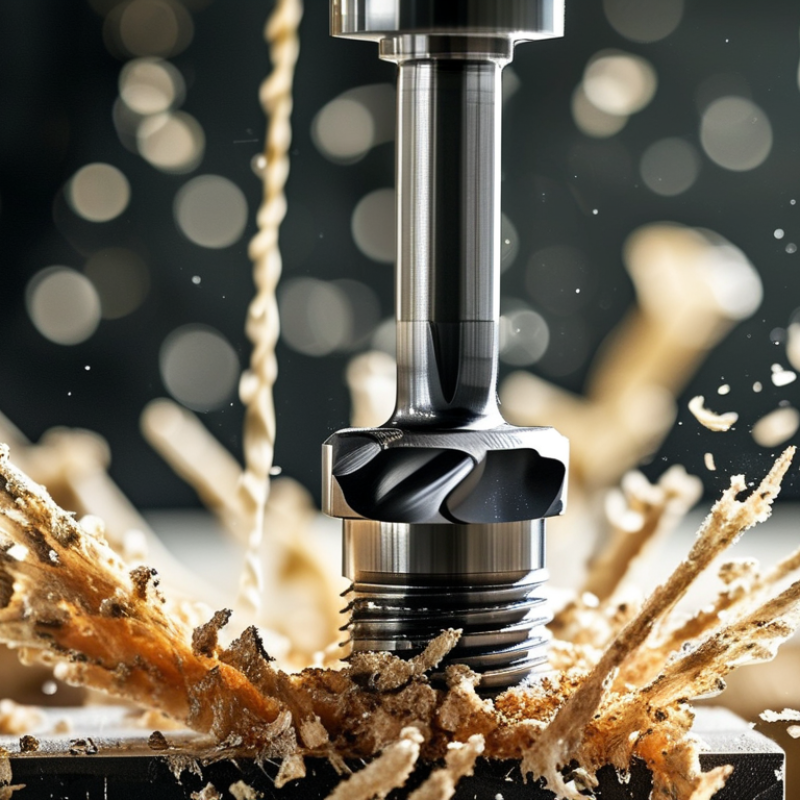
End mills are essential tools in machining, offering various designs for different applications. Understanding the types of end mills is crucial for selecting the right one. A common type is the square end mill, ideal for precision cutting. It can create sharp corners, which is essential for detailed work. Another popular option is the ball end mill. This type features a rounded end, making it perfect for 3D contouring and sculpting.
Coated end mills possess enhanced durability and performance. They reduce friction, improving heat resistance, which extends tool life. These tools are often crucial in demanding tasks or when working with hard materials like titanium or stainless steel. However, they may not be suitable for all applications. Users should consider the benefits and limitations of coatings carefully.
Choosing the right end mill should also factor in the material being machined. Each material requires specific tools for optimal results. For instance, carbide end mills offer strength but are brittle. They work best with softer materials. Conversely, high-speed steel end mills are more versatile but wear out quickly. This variety in choices can lead to confusion, making it essential to analyze various factors before making a selection.
When selecting an end mill manufacturer, evaluating manufacturing quality and technology standards is essential. High-quality tools can significantly impact machining efficiency and finish. Industry reports indicate that manufacturers leveraging advanced technology often experience a 20% increase in productivity. This means the choice of manufacturer can directly affect output rates and overall project timelines.
Look for facilities that adhere to international quality standards such as ISO 9001. Compliance with these standards often indicates rigorous testing and quality control processes. Some manufacturers utilize state-of-the-art CNC machines for precision cutting and shaping. This technology ensures that each end mill meets strict tolerances and specifications. However, not all manufacturers invest in the latest technology. Some may rely on outdated methods, leading to inconsistent quality and performance.
Material selection also plays a vital role in end mill quality. High-speed steel (HSS) and carbide are common choices. Reports show that carbide tools can last up to four times longer than HSS, making them a more cost-effective option in the long run. Yet, the initial investment is higher. Manufacturers that conduct thorough material analysis can provide insights into durability and expected lifespan. Be aware that not every manufacturer discloses this information, which may lead to purchasing less reliable tools.
When choosing the right end mill manufacturer, looking at customer reviews is key. Reviews provide real insights from those who have used the products. They reveal not only the quality of the end mills but also the reliability of the manufacturer. Positive feedback often highlights product durability and precision, critical factors in machining.
However, it is essential to consider the context of these reviews. Some may be overly optimistic due to personal experiences. A few negative comments could point to legitimate issues, such as inconsistent quality or poor customer service. Therefore, analyze both positive and negative reviews to get a balanced view.
Reputation extends beyond customer feedback. Researching the company’s history can provide further insights. A manufacturer with a long-standing reputation may have established quality assurance processes. Conversely, a newer manufacturer might still be refining their techniques. Trust but verify. This approach fosters informed decision-making and could save you time and resources.
| Criteria | Rating (1-5) | Customer Feedback | Production Capabilities |
|---|---|---|---|
| Reputation in the Industry | 5 | Highly recommended by peers | Advanced machining technologies |
| Customer Service | 4 | Responsive and helpful | Quick turnarounds |
| Quality of Materials | 5 | Durable and reliable products | ISO certified quality standards |
| Pricing | 3 | Competitive but varies by order | Bulk discounts available |
| Range of Products | 4 | Wide selection offered | Custom solutions available |
When selecting an end mill manufacturer, pricing and value for money are critical factors. It’s essential to compare quotes from different suppliers before making a decision. However, the lowest price does not always mean the best value. Sometimes, a higher price reflects better materials or advanced manufacturing processes. This can lead to longer tool life, which ultimately saves more money.
Consider the materials used in the end mills. High-speed steel and carbide end mills have different price points. Carbide tools often cost more but offer increased durability. Evaluate whether the added cost aligns with your milling needs. Additionally, inquire about bulk discounts or loyalty programs that may provide better value over time.
It’s advisable to seek reviews or testimonials about the manufacturers. Hearing from other users can provide insights into the actual performance of their products. However, remember that not all reviews are honest or detailed. Weigh the feedback carefully and conduct additional research. Balancing price with performance requires diligent scrutiny of all options.
When selecting an end mill manufacturer, customer support services are crucial. A manufacturer with strong support can offer assistance during the critical phases of design and production. According to a recent industry analysis, 78% of companies prioritize responsive support when evaluating suppliers. The accessibility of knowledgeable representatives can dramatically impact your production timeline.
Customization options are another vital aspect to consider. The ability to tailor end mills to specific applications enhances efficiency and performance. Research shows that custom end mills can increase production rates by up to 30%. This allows manufacturers to fine-tune cutting geometries and coatings to meet unique needs. It’s worth asking potential suppliers about their customization capabilities and past projects.
Value customer service highly when making your decision. Suppliers who actively listen to your requirements build lasting partnerships. Many businesses find that ongoing support reduces downtime significantly. It's a common oversight to underestimate the importance of effective communication with your supplier. Opt for a manufacturer that invests in long-term relationships rather than quick sales.
: End mills are essential tools used for various machining applications, providing precision and versatility.
The square end mill is ideal for precision cutting and creating sharp corners for detailed projects.
Coated end mills reduce friction and improve heat resistance, extending their tool life in demanding tasks.
Factor in the material being machined, as different materials require specific tools for optimal results.
No, the lowest price doesn’t guarantee the best value. Higher prices may indicate better materials and longer tool life.
Strong customer support can assist during design and production, impacting your production timelines significantly.
Yes, customization options allow end mills to be tailored, enhancing efficiency and possibly increasing production rates.
Reviews can provide insights on performance, but not all feedback is honest; weigh them carefully against your research.
Many underestimate the importance of effective communication and long-term relationships with suppliers.
Ongoing support helps reduce downtime and fosters a more productive partnership with the manufacturer.
When selecting a manufacturer for end mill tools, it is essential to understand the various types of end mills and their specific applications to match your production needs. Evaluating manufacturing quality and technology standards ensures that you receive durable and high-performance tools. Additionally, considering the manufacturer's reputation along with customer reviews can provide insights into their reliability and service quality.
Pricing and value for money are also critical factors; comparing costs among suppliers helps in making a financially sound decision. Lastly, exploring customization options and customer support services can enhance your overall experience, ensuring that you receive not just a product but comprehensive support tailored to your requirements. By thoroughly assessing these aspects, you can confidently choose the best manufacturer for end mill tools that meets your operational demands.
