
2026 How to Choose the Right Carbide Taper End Mills for Your Needs?

Time:2026-09-01 Author:Isabella
0%

Choosing the right carbide taper end mills can be challenging. These tools significantly impact machining performance. They come in various sizes, coatings, and geometries. Understanding your specific needs is crucial.

Carbide taper end mills are known for their efficiency. They are ideal for creating angled cuts and complex geometries. Selecting the wrong type can lead to poor performance and increased costs. Therefore, consideration of several factors is essential.

Material composition and design play vital roles in performance. A deeper understanding of your machining requirements will help guide your choice. Pricing can also vary widely. Balancing quality with budget is often a reflection of thoughtful decision-making. Taking time to research can prevent costly mistakes and improve results.
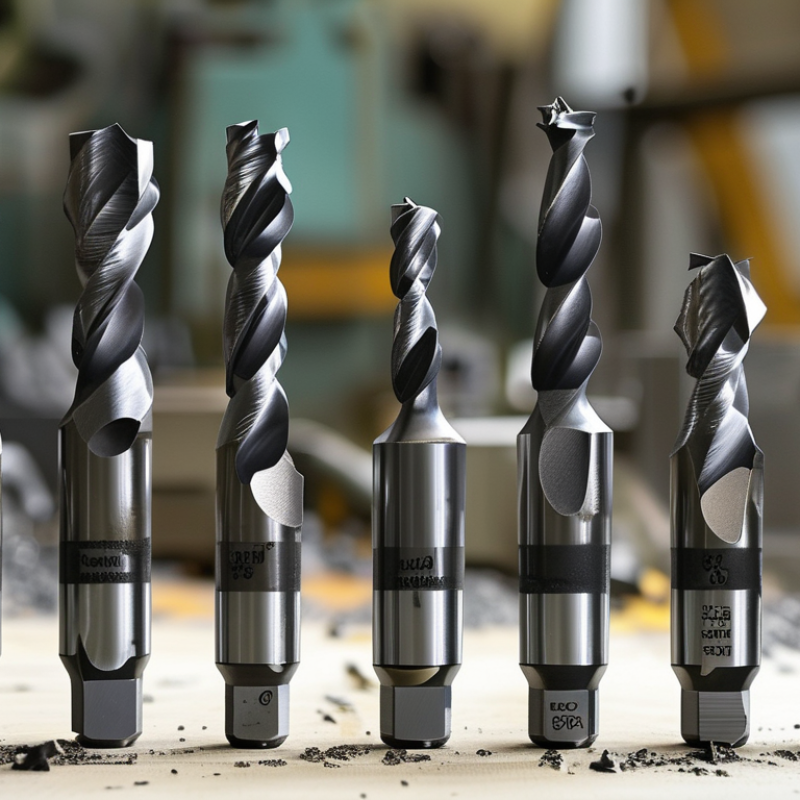
2026 How to Choose the Right Carbide Taper End Mills for Your Needs?

Understanding Carbide Taper End Mills: Types and Applications

Carbide taper end mills are vital tools in precision machining. They feature a tapered design that allows for easy entry into materials. This design is particularly useful when crafting complex parts that require intricate geometries. Knowing the types and applications of these end mills can enhance your machining projects significantly.

There are several types of carbide taper end mills available. Tapered ball mills are ideal for contouring and delicate finishes. Straight taper mills offer skilled performance in deep cavities. Each type serves specific machining needs. The right choice depends on factors like material type and desired finish. For instance, using the wrong taper can lead to tool wear and imprecise cuts.

Selecting the correct end mill requires careful consideration. Understanding your project details is essential. Think about the material you’re working with and the part's design complexity. Don't overlook the importance of feed rates and spindle speed. A mismatch here may compromise the quality of your work. Reflecting on these aspects can lead to more successful machining outcomes.

Key Factors to Consider When Selecting Carbide Taper End Mills

When selecting carbide taper end mills, several key factors come into play. The material composition is crucial. High-quality carbide can withstand higher temperatures and resist wear, leading to better performance. According to industry reports, tools made from micro-grain carbide provide improved toughness and sharpness, which are vital for precise machining. Investigating the coating type is equally important; a well-applied coating enhances longevity and reduces friction.

The taper angle of the end mill directly impacts chip removal and surface finish. A larger taper can facilitate better access to tighter spaces, enabling more versatile operations. However, this may not always lead to optimal results, especially if the machining specifics don't match. Evaluating the spindle speed, feed rate, and material type is also essential. For instance, using a lower feed rate with harder materials can help achieve maximum precision.

Furthermore, understanding your specific application aids in making the right choice. Some projects may demand high-speed machining, while others require heavy-duty cutting. Data suggests that selecting the appropriate taper end mill can improve productivity by 25%. If you choose the wrong one, it may lead to premature tool failure or undesirable finishes. Always assess your needs carefully before making a decision.

Sizing and Dimensions: How to Choose the Right Specifications

Choosing the right carbide taper end mills involves understanding their sizing and dimensions. The correct specifications depend on your machining needs. Different applications require various lengths, diameters, and taper angles. Reports indicate that over 70% of machining errors arise from incorrect tool selection. This emphasizes the importance of matching your end mills with your material and performance requirements.

For instance, the length of the cutting edge impacts the depth of cut and stability. A longer taper may allow for better access in hard-to-reach areas, but it can also reduce tool rigidity. When selecting, consider both the depth of cut and the rigidity needed for your project. Manufacturers typically recommend using shorter tools for tougher materials.

Ensure to measure the workpiece accurately. Inspecting wear patterns on your existing tools can provide insights into what you need. Sometimes, you may realize that a different taper angle is necessary after reviewing machining results. Understanding these elements can streamline your milling processes and improve overall efficiency, giving you the edge in precision machining.

Material Compatibility: Matching End Mills to Your Workpiece

When selecting carbide taper end mills, material compatibility is crucial. Various workpieces require specific cutter properties. For metals like aluminum or steel, the right end mill can significantly enhance machining efficiency. Each material has unique characteristics that influence cutting speed and tool longevity.

For example, hard materials, such as titanium, require end mills with advanced coatings. These coatings prevent wear and heat buildup. In contrast, softer materials may benefit from simpler geometries. An end mill suitable for softer materials can often chip easily if used improperly on harder stock.

It's also important to consider the intended finish and tolerance requirements. A rough cut might not need the same precision as a final pass. However, relying solely on general guidelines can lead to suboptimal results. Always examine the tool wear and adjust your selection accordingly. The learning curve is steep; experimentation may be necessary to find the best match for your specific needs.

Maintenance and Care for Longevity of Carbide Taper End Mills

Proper care and maintenance of carbide taper end mills is crucial for longevity. Regular cleaning after use is essential. Residue from cutting materials can build up and affect performance. Use a soft brush or compressed air to clear debris. Avoid harsh chemicals that could damage the carbide coating. This small step can extend the life of your tools significantly.

Storage is another key factor. Keep your end mills in a protective case or rack. This prevents dulling from contact with other tools. Consider using dedicated storage solutions that cushion and separate each mill. Additionally, regular inspection for wear or chipping is necessary. Notice any small damages early to avoid further deterioration. Reflecting on these practices ensures your tools perform reliably.

2026 How to Choose the Right Carbide Taper End Mills for Your Needs? - Maintenance and Care for Longevity of Carbide Taper End Mills

Feature Description Recommended Materials
Coating Type Coatings can improve life and performance by reducing friction and wear. Aluminum, Steel
Flute Design Flute design affects chip removal, rigidity, and surface finish. All metals
Diameter Base diameter impacts cutting efficiency and precision. Composite materials
Length of Cut Affects penetration depth and reach into pockets. Plastics, Wood
Application Type Different applications require different tool specifications for best results. Machining, Milling
Maintenance Frequency Regular maintenance extends tool life and performance. N/A

FAQS

: How important is sizing when choosing carbide taper end mills?

: Sizing is crucial. Over 70% of machining errors come from incorrect tool selection.

What should I consider about the cutting edge length?

Length affects depth and stability. Longer edges may reduce rigidity.

How does material compatibility affect tool selection?

Each material needs specific cutter features. Proper matching enhances machining efficiency.

What should I know about end mills for hard materials?

Hard materials need advanced coatings to prevent wear and heat buildup.

Can I use the same end mill for different materials?

No, using one end mill for varying materials can lead to damage and inefficiency.

How does the intended finish impact end mill choice?

Tolerance and finish requirements differ. A rough cut needs less precision than a final pass.

What role does tool wear play in selection?

Inspecting wear patterns helps refine your tool choice. It isn't always obvious initially.

Is it necessary to experiment with end mills?

Yes, experimentation helps find the best match for your needs. The learning curve can be steep.

What happens if I only follow general guidelines?

You may experience suboptimal results. It's better to adjust based on specific conditions.

How can I measure the workpiece correctly?

Accurate measurements are essential. Inspect your existing tools for insights on necessary changes.

Conclusion

Carbide Taper End Mills are essential tools in various machining applications, renowned for their durability and precision. Understanding the different types and their applications is crucial for making informed decisions. Key factors to consider include the geometry, coating, and cutting edge design, which affect performance and efficiency. Additionally, correct sizing and dimensions are critical to ensure compatibility with the machine and the workpiece.

When selecting Carbide Taper End Mills, it's important to match the tool material with your specific workpiece to achieve optimal results. Regular maintenance and care will extend the lifespan of these tools, ensuring their effectiveness in your operations. By focusing on these aspects, users can choose the right Carbide Taper End Mills that meet their specific machining needs.

Isabella

Isabella

Isabella is a dedicated marketing professional with a sharp focus on driving brand growth and engagement through strategic content creation. With an extensive background in digital marketing, she combines her passion for storytelling with her keen understanding of industry trends to deliver......