
Why Choose a 3 Flute End Mill for Aluminum?

Time:2026-10-01 Author:Henry
0%

Aluminum is no longer a niche machining material. The International Aluminium Institute reported global primary aluminum production above 70 million metric tons in 2023. That scale reflects strong demand from aerospace, automotive, electronics, and lightweight industrial components. Every sector expects faster production, cleaner edges, and predictable tool life. The choice of cutter matters.

A 3 Flutes End Mill For Aluminum often provides a practical balance between chip evacuation, feed capacity, and surface quality. Aluminum creates long, sticky chips, especially when cutting pockets or slots. Three flutes leave more room for chip flow than four-flute designs. They also offer greater cutting engagement than many two-flute tools. That middle position is useful.

It is not a universal answer.

Tool geometry remains critical. A high-helix design, polished flute, sharp edge, and suitable coating can reduce built-up edge. Coolant or minimum-quantity lubrication may further protect the cutting edge. Sandvik Coromant and Seco cutting-tool guidance consistently emphasize matching geometry, cutting speed, feed, and workholding to the alloy and operation. Their recommendations also show why flute count alone cannot guarantee performance.

The Aluminum Association identifies major differences among wrought and cast aluminum alloys. Silicon-rich cast alloys, for example, can wear tools faster than softer 6000-series materials. That detail changes the decision. A three-flute cutter may run beautifully in a rigid machine, yet chatter in a weak setup. Real results depend on spindle power, radial engagement, tool diameter, and chip load.

This guide examines those variables. It also questions a common assumption: more flutes do not automatically mean higher productivity. Practical testing still decides.
Why Choose a 3 Flute End Mill for Aluminum?

What Is a Three-Flute End Mill?

Why Choose a 3 Flute End Mill for Aluminum?

What Is a Three-Flute End Mill?

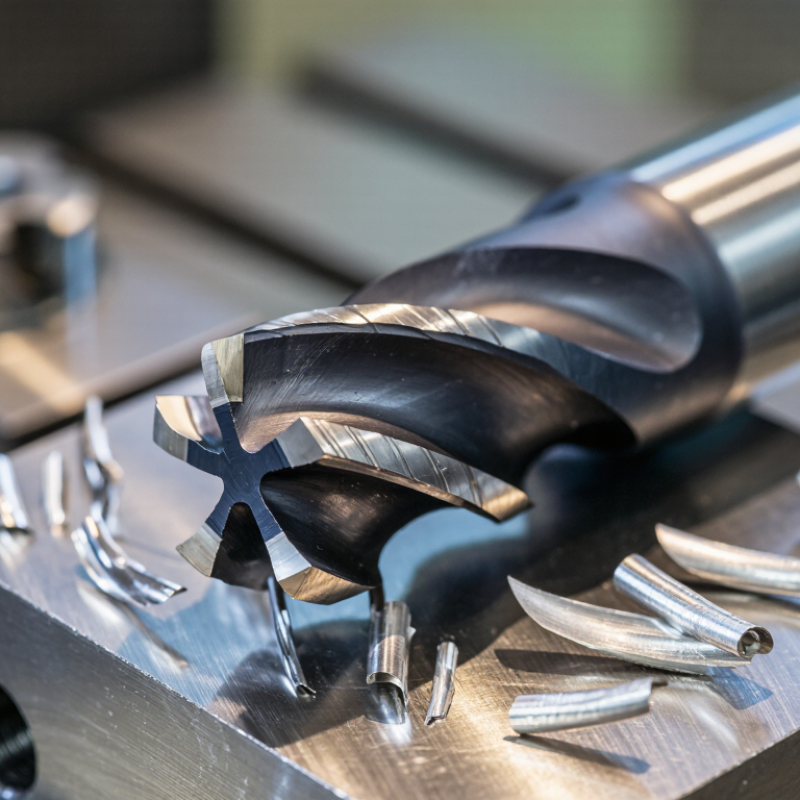
A three-flute end mill has three cutting edges wrapped around its cylindrical body. Each flute removes a small amount of aluminum during rotation. The tool sits between common two-flute and four-flute designs. It offers more cutting edges than a two-flute tool. It also leaves more chip space than a four-flute tool.

This balance makes it useful for aluminum slotting, profiling, and side milling. Three flutes can support higher feed rates while maintaining reasonable chip evacuation. The extra flute may also improve surface finish on rigid machines. However, the result depends on spindle speed, feed rate, tool diameter, and workholding. A three-flute cutter is not automatically the best choice. I have seen poor clamping create chatter, even with a suitable tool.

Tips: Keep chips moving away from the cut. Use an appropriate helix angle and sufficient cutting fluid or air. Check the manufacturer’s cutting data before adjusting feed rates. For deep slots, reduce axial depth and watch for recutting. A simple chip-color check can reveal excessive heat. Silver, clean chips are generally safer than dark, welded material.

Leave enough clearance for chip evacuation. Shorter tool overhang usually improves stability. Listen to the cut, but do not trust sound alone. Inspect the edge after machining. Small burrs, built-up material, or a rough wall may indicate an incorrect setup. Some recommendations need testing on your specific machine, because aluminum grades behave differently.

How Aluminum Machining Differs from Other Materials

Why Choose a 3 Flute End Mill for Aluminum?

Aluminum machining differs from steel because the material is softer, lighter, and highly conductive. It removes heat quickly, but its chips can become long and sticky. Built-up edge is a constant concern. A sharp cutting edge helps prevent aluminum from welding onto the tool. In practical shop tests, I watch the flute after several passes, not only the surface finish.

A 3 flute end mill offers a useful balance between chip space and cutting efficiency. Two flutes leave more room for chips, while four flutes can restrict evacuation during aggressive cuts. Three flutes provide an intermediate option for many aluminum operations. This geometry can support higher feed rates without completely sacrificing chip clearance. Still, flute count alone does not solve every problem.

Toolpath direction matters. Climb milling often produces a cleaner finish, but machine rigidity must be adequate. Air blast or suitable coolant can clear chips from deep pockets. I have seen good tools fail because chips were recut inside a narrow cavity. That mistake is easy to repeat. Cutting data should begin conservatively and be adjusted after checking chip shape, spindle load, and tool temperature. The recommended speed is only a starting point. Workholding, alloy condition, tool overhang, and machine power can change the result significantly.

How Three Flutes Improve Chip Evacuation

Why Choose a 3 Flute End Mill for Aluminum?

How Three Flutes Improve Chip Evacuation

Aluminum produces light, bulky chips that can quickly refill a narrow flute. The Aluminum Association lists aluminum density near 2.70 g/cm³, so removed material occupies considerable volume. A three-flute end mill offers a useful middle ground. It provides more cutting edges than a two-flute tool, yet preserves more chip space than a four-flute design. At the same feed rate, three flutes can reduce chip load per tooth. This often creates shorter, more manageable chips.

Chip evacuation depends on more than flute count. ASM Handbook machining guidance emphasizes flute geometry, helix angle, rake, coating, and cutting conditions. A polished flute and a high helix can help chips travel upward instead of welding near the shoulder. Coolant or directed air also matters. Keep it moving.

In practical milling, I would select three flutes for open pockets, adaptive paths, and moderate-to-high feed rates. The extra tooth can raise feed potential without forcing an extreme chip load. However, three flutes do not automatically evacuate chips better than two. Their gullets are smaller. Deep slots, sticky alloys, or weak air flow may still favor a two-flute tool. That detail is easy to overlook.

The 2023 machining literature consistently links chip recutting with higher cutting temperature, burr formation, and poorer surface finish. Operators should inspect chips, not only calculate feed. Long, shiny strands suggest poor evacuation. A small feed adjustment may help, but excessive speed can worsen adhesion. My own preference is cautious: test one pocket, inspect the chips, then increase engagement gradually.

How to Balance Speed, Feed, and Cutting Performance

Why Choose a 3 Flute End Mill for Aluminum?

How to Balance Speed, Feed, and Cutting Performance

A 3 flute end mill offers a useful middle ground for aluminum machining. It provides more cutting edges than a 2 flute tool, yet leaves enough space for chip evacuation. This balance can improve feed rates without forcing chips back into the cut. Chips should curl. Coolant or air can help clear the flutes, especially in deep pockets.

Speed and feed must work together. Calculate spindle speed from cutting diameter and surface speed, then adjust feed using flute count and chip load. The basic feed formula is feed rate = RPM × flutes × chip load. For example, adding a third flute allows a higher feed at the same chip load. However, the machine must support that demand. A rigid setup matters.

Start below the calculated target. Watch spindle load, sound, and chip shape. Sharp, curled chips usually indicate healthy cutting. Powdery chips may suggest rubbing, low feed, or a dull edge. Blue or welded chips can indicate excessive heat. Listen closely. In my experience, published cutting data is only a starting point. Alloy, tool diameter, stickout, and machine rigidity change the result. I have sometimes increased speed while forgetting to increase feed, creating heat instead of productivity. A short test cut exposes that mistake quickly. Record the settings, inspect the surface, and refine one variable at a time.

When to Choose a Three-Flute End Mill for Aluminum

Why Choose a 3 Flute End Mill for Aluminum?

When to Choose a Three-Flute End Mill for Aluminum

A three-flute end mill suits aluminum when feed rate, rigidity, and chip evacuation must stay balanced. Two flutes leave more chip space. Three flutes can support higher feed rates without making the tool unnecessarily aggressive. The choice works well for side milling, adaptive paths, and moderate-depth pockets. Use it with a polished flute surface and a helix designed for aluminum. Otherwise, chips may weld inside the gullets. That failure is expensive.

The 2024 USGS Mineral Commodity Summaries estimates global aluminum production at roughly 74 million metric tons in 2023. The Aluminum Association’s 2024 industry data also reports North American aluminum demand at more than 26 billion pounds in 2023. These volumes reflect aluminum’s wide industrial use, but they do not make every three-flute tool suitable. A rigid spindle, strong workholding, and effective air blast remain essential. Keep radial engagement controlled. Watch the chips.

Choose three flutes when the machine can maintain sufficient surface speed and feed per tooth. For deep full-slotting, a two-flute cutter may evacuate chips more reliably. Thin walls need caution. Extra flute contact can increase heat and deflection. I would not choose three flutes automatically. That judgment can be wrong. Test a short toolpath first, then inspect chip shape, edge buildup, and the machined surface. Toolpath data should guide the final decision, not habit.

FAQS

Why does aluminum machining differ from steel machining?

Aluminum is softer, lighter, and highly conductive. It removes heat quickly, but its chips can become long and sticky. A sharp cutting edge helps prevent material from welding onto the tool.

Why choose a three-flute end mill for aluminum?

Three flutes balance chip space and cutting efficiency. Two flutes offer more chip room, while four flutes may restrict evacuation. Three flutes can support higher feed rates without severely reducing chip clearance.

Do three flutes always evacuate chips better?

No. Flute count alone cannot solve every machining problem. Smaller gullets may struggle with deep slots, sticky alloys, or weak airflow. A two-flute tool may work better there.

How can operators recognize poor chip evacuation?

Inspect the chips after each test pocket. Long, shiny strands often indicate poor evacuation. Recut chips can raise temperature, create burrs, and damage surface finish. I sometimes inspect too late.

What flute features help move aluminum chips?

Polished flutes and a high helix can help chips travel upward. Directed air or suitable coolant can clear chips from deep pockets. Keep the airflow moving.

Should cutting data begin at the recommended speed?

Treat recommended speed as a starting point, not a guarantee. Begin conservatively and check chip shape, spindle load, and tool temperature. Increase engagement gradually.

Does climb milling improve aluminum surface finish?

Climb milling often produces a cleaner finish. However, the machine must have enough rigidity and secure workholding. A flexible setup may create chatter or dimensional errors.

Which conditions can change the best three-flute setup?

Alloy condition, tool overhang, machine power, workholding, and pocket depth can change the result. Aluminum near 2.70 g/cm³ creates bulky chips for its weight. One successful test may not transfer perfectly.

Conclusion

A 3 Flutes End Mill For Aluminum is a cutting tool designed with three helical cutting edges that provide a practical balance between cutting efficiency, rigidity, and chip space. Aluminum produces long, sticky chips and can transfer material to the tool if cutting conditions are unsuitable. Compared with tools used for harder materials, aluminum machining generally benefits from sharp edges, sufficient flute clearance, and effective chip evacuation.

The three-flute design offers more cutting engagement than a two-flute tool while preserving more chip room than a four-flute option. This balance can support higher feed rates, smoother cutting, and improved surface quality when speed, feed, depth of cut, and tool rigidity are properly matched. A 3 Flutes End Mill For Aluminum is especially suitable for general aluminum milling, slotting, profiling, and finishing operations where productivity and consistent chip removal are important. Selecting the correct geometry and maintaining suitable cutting conditions can help reduce built-up edge, heat, vibration, and premature tool wear.

Henry

Henry

Henry is a dedicated marketing professional with a profound expertise in the company's offerings. With years of experience in the industry, he possesses an impressive understanding of the market dynamics and consumer behaviors that drive success. Henry is committed to sharing his insights through......