
China Top Solid Carbide End Mill Cutter Supplier

Time:2026-09-11 Author:Aria
0%

Choosing a China Top Solid Carbide End Mill Cutter supplier requires more than comparing prices or reading polished catalog descriptions. A reliable supplier should demonstrate practical machining experience, consistent material control, and clear quality procedures. This guide examines how manufacturers produce a Solid Carbide End Mill Cutter for aluminum, steel, stainless steel, and hardened materials. It also considers carbide grade, flute geometry, helix angle, coating selection, and edge preparation.

Details matter.

A professional supplier should explain tool tolerances, runout control, inspection equipment, and recommended cutting parameters. Factory evidence may include sample reports, dimensional records, coating information, and performance results from real machining trials. Watch the tool under pressure. A clean workpiece, stable sound, and controlled chip shape often reveal more than a sales promise. Packaging also matters when tools travel internationally. Protective tubes and clear labeling reduce avoidable damage.

No supplier is perfect.

Even experienced manufacturers can face inconsistent batches, coating delays, or communication gaps. That limitation deserves honest discussion, not exaggerated claims. Buyers should request samples, confirm technical drawings, and test tools on suitable machines before placing large orders. A dependable Chinese supplier welcomes reasonable questions and responds with measurable evidence. The strongest partnership develops through repeat testing, transparent feedback, and documented improvements. This article offers a practical framework for evaluating suppliers with professional judgment, realistic expectations, and attention to long-term machining results.
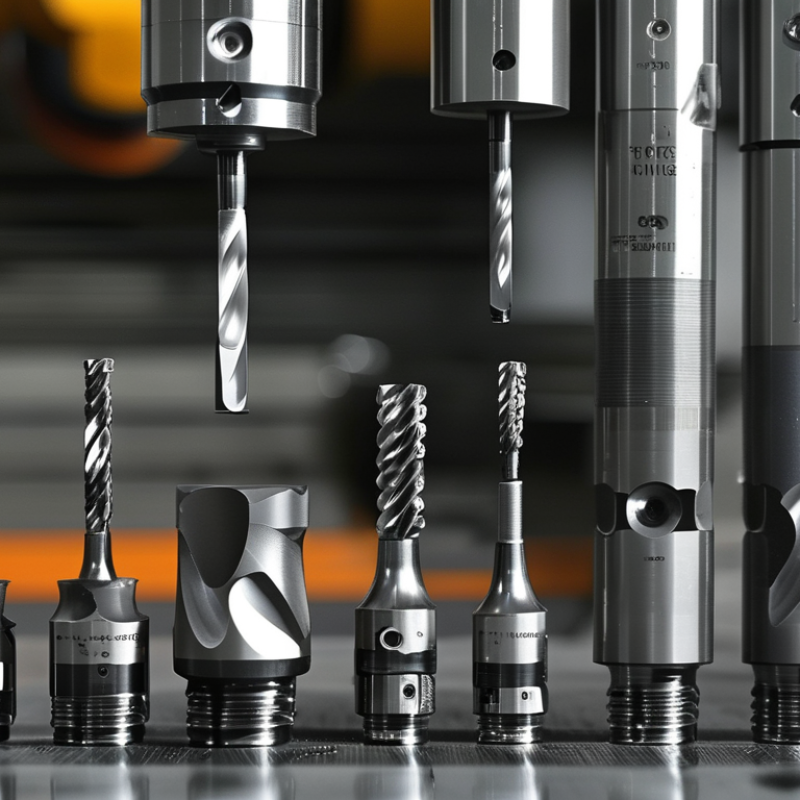
China Top Solid Carbide End Mill Cutter Supplier

What Is a Solid Carbide End Mill Cutter?

China Top Solid Carbide End Mill Cutter Supplier

What Is a Solid Carbide End Mill Cutter?

A solid carbide end mill cutter is a rotary cutting tool made from one piece of cemented carbide. It removes material from the side, end, or corner of a workpiece. Unlike a tool with a separate steel body and inserted tip, its cutting edges remain part of the carbide body. This structure provides high rigidity during milling.

In practical machining, this rigidity helps reduce vibration when cutting hardened steel, stainless steel, aluminum, and other metals. A typical cutter may have two, three, or four flutes. Fewer flutes leave more space for chips, while more flutes can improve surface finish. Diameter, helix angle, coating, and edge preparation all affect performance. Small details matter.

During tool selection, I check the workpiece material, machine speed, feed rate, and tool overhang. A 6 mm cutter extending too far can chatter, even when its specifications look suitable. Coolant or air flow also helps clear chips from deep pockets. Carbide is hard, but it is not unbreakable. Excessive impact, poor alignment, or sudden heat changes may damage the cutting edge. Cutting data should be adjusted through testing, not copied blindly. That lesson is easy to overlook. Reliable production depends on consistent inspection, accurate dimensions, and a supplier that can explain the tool’s manufacturing and quality-control process.

Key Features of China-Made Solid Carbide End Mills

China Top Solid Carbide End Mill Cutter Supplier

Key Features of China-Made Solid Carbide End Mills

China-made solid carbide end mills are designed for stable cutting in steel, aluminum, stainless steel, and hardened alloys. Their micrograin carbide bodies provide useful rigidity and wear resistance. In practical machining, this rigidity helps reduce chatter during deep side milling. It also supports cleaner slot walls and more predictable tool life.

Many models use variable helix flutes to control vibration. Different flute counts match different materials and cutting conditions. Aluminum often benefits from polished flutes and wider chip spaces. Hardened steel may require a stronger edge and a heat-resistant coating. Coating selection matters. A poor match can shorten tool life quickly.

Precision is another important feature. Reliable suppliers inspect diameter, runout, edge geometry, and surface finish. Small runout errors can leave visible marks on a workpiece. I have seen this happen even when the programming was correct. No cutter is perfect. Real performance depends on spindle accuracy, coolant flow, feed rate, and workholding. Some specifications look impressive on paper, but shop testing should confirm them. Trial cuts with measured wear provide more trustworthy evidence than claims alone. Clear batch records and protective packaging also help maintain consistency from production to delivery.

How to Evaluate a Reliable Chinese Supplier

China Top Solid Carbide End Mill Cutter Supplier

How to Evaluate a Reliable Chinese Supplier

Choosing a reliable Chinese solid carbide end mill cutter supplier requires more than comparing prices. Review the supplier’s production experience, engineering capacity, and quality controls. Ask for carbide grade details, coating information, dimensional tolerances, and inspection records. The report should show actual measurements, not only general claims.

A practical evaluation begins with samples. Test edge sharpness, runout, surface finish, and tool life on your own equipment. Request a batch sample with consistent specifications. Check whether the supplier can provide traceability for raw materials and inspection stages. A certificate alone is insufficient. Verify its validity, scope, and issuing organization.

Communication also reveals operational reliability. Clear replies, realistic lead times, and accurate drawings are positive signs. Visit the factory when possible, or request live production evidence and recent audit materials. Poor packaging can damage precision tools before they reach your workshop. No supplier is perfect. A common mistake is trusting fast replies too much. I would leave room for doubt until samples, records, and repeat orders confirm performance. Even small tolerance differences can affect tool life, especially during high-speed machining. A dependable supplier explains problems openly and corrects them with documented actions.

Manufacturing Standards and Quality Control

China Top Solid Carbide End Mill Cutter Supplier

Manufacturing quality begins with controlled raw materials and repeatable processes. Solid carbide rods are inspected for hardness, cobalt content, grain structure, and internal defects. Each production batch receives a traceable identification code. This record links material data, grinding settings, inspection results, and operator checks.

Precision grinding requires stable equipment and disciplined measurement. Tool diameter, flute geometry, helix angle, and edge preparation are verified with calibrated instruments. Runout is checked at the shank and cutting edge. Small errors matter. Even a few microns can affect surface finish, tool life, and machining stability. Quality systems aligned with ISO 9001 support documented procedures, corrective actions, and controlled revisions.

Coating thickness and adhesion receive separate inspection. Sample cutters undergo cutting tests on suitable materials, including hardened steel and aluminum alloys. Inspectors compare tool wear, vibration, chip evacuation, and finished surface quality. Statistical process control helps identify drift before it becomes a large batch problem. Still, no inspection method is perfect. A measurement can look acceptable while performance varies on a different machine. That weakness deserves honest review, not hidden language. Experienced engineers therefore combine laboratory data, production feedback, and customer machining conditions before approving a cutter. Reliability grows through repeated evidence.

The chart presents commonly used reference control limits for solid carbide end mills during final inspection. Values are expressed in micrometres (μm); the customer drawing and applicable manufacturing standard always take precedence. Typical controls include cutter diameter deviation, radial runout, and cutting-edge length deviation. ISO 9001 provides the quality-management framework, while tool geometry and product data are normally defined by the relevant technical specification.

Applications, Customization, and Supplier Selection Criteria

China Top Solid Carbide End Mill Cutter Supplier

Applications, customization, and supplier selection determine milling performance more than catalog claims. Solid carbide end mills suit hardened steel, stainless steel, aluminum, molds, and aerospace components. Coating choice matters. Titanium aluminum nitride supports heat resistance, while polished flutes improve aluminum chip evacuation. A 2024 USGS Mineral Commodity Summaries report recorded about 81,000 metric tons of global tungsten mine production in 2023. This highlights the importance of carbide material traceability.

Customization should begin with the workpiece, machine, and cutting conditions. Suppliers may adjust flute count, helix angle, corner radius, neck length, and coating. For deep cavities, a reduced-neck design can prevent holder interference. For thin walls, unequal flute spacing may reduce vibration. Ask for inspection records, runout limits, hardness data, and batch certificates. ISO 13399-based tool data can also improve digital programming accuracy.

Supplier selection needs practical testing, not attractive price sheets. Compare sample cutting results, tool life, surface finish, and delivery consistency. A capable Chinese supplier should explain grade selection clearly and provide measured tolerances. Request a small trial batch. It may reveal weaknesses earlier. I would also check whether the supplier controls grinding, coating coordination, and final inspection internally. Some quotations look efficient, yet unclear tolerances create expensive rework. According to the 2023 World Bank Logistics Performance Index, shipment reliability remains a measurable supply-chain concern, so export packaging and lead-time records deserve equal attention.

China Top Solid Carbide End Mill Cutter Supplier - Applications, Customization, and Supplier Selection Criteria

Product Category Typical Workpiece Material Recommended Geometry and Coating Common Applications Customization Options Supplier Selection Criteria
Square End Mill Carbon steel Alloy steel Stainless steel 2–4 flutes with a flat cutting end; variable helix designs can help reduce vibration. Aluminum titanium nitride or aluminum chromium nitride coatings are commonly selected for steel machining. Side milling, slotting, shoulder milling, pocketing, and general CNC machining. Diameter, cutting length, overall length, flute count, helix angle, corner preparation, shank tolerance, and coating. Verify dimensional consistency, runout control, carbide grade, coating uniformity, and availability of inspection reports.
Ball Nose End Mill Pre-hardened steel Tool steel Titanium alloys Hemispherical cutting end with 2–4 flutes; variable pitch and suitable edge preparation improve surface quality and tool life. 3D contouring, die and mold machining, curved surfaces, impellers, and precision finishing. Ball radius, neck length, flute shape, taper profile, corner transition, shank style, and special coating. Assess profile accuracy, ball-radius tolerance, concentricity, surface finish after grinding, and sample-cutting results.
Corner Radius End Mill Hardened steel Cast iron Stainless steel Rounded cutting corners reduce edge chipping compared with sharp-corner tools; carbide substrates and wear-resistant coatings are widely used. Shoulder milling, roughing, finishing, mold components, and operations requiring improved corner strength. Corner radius, flute count, variable helix, unequal pitch, tool diameter, neck relief, and edge hone. Check corner-radius tolerance, cutting-edge integrity, tool balance, performance data, and regrinding capability.
Roughing End Mill Steel Cast iron Nickel alloys Serrated or chipbreaker flutes divide chips into smaller segments and can support high material-removal rates. Heavy stock removal, open-slot machining, cavity roughing, and production milling. Serration pitch, flute count, core thickness, variable helix, cutting length, corner radius, and coating system. Compare material-removal performance, vibration behavior, chip evacuation, substrate toughness, and recommended cutting data.
Aluminum End Mill Aluminum alloys Copper alloys Plastics Polished flutes, high helix angles, and 2–3 flute configurations help promote chip evacuation and reduce built-up edge. Aerospace structures, automotive components, electronics housings, and non-ferrous part production. Polished flute finish, high-helix geometry, flute count, chipbreaker design, tool diameter, and uncoated or specialized coating choice. Evaluate flute polish, chip evacuation, cutting-edge sharpness, balance at high spindle speed, and machining samples.
Micro End Mill Tool steel Stainless steel Non-ferrous metals Small-diameter solid carbide construction with accurate geometry, strong edge preparation, and controlled runout. Medical components, miniature molds, micro-slots, small cavities, watch parts, and precision electronics components. Sub-millimeter diameter, flute length, neck configuration, shank diameter, edge preparation, and custom point geometry. Prioritize runout measurement, microscopic edge inspection, dimensional capability, packaging protection, and lot traceability.
High-Hardness End Mill Hardened steel Die steel Up to approximately 60–65 HRC Fine-grain carbide, rigid geometry, reinforced cutting edges, and wear-resistant coatings such as AlTiN or AlCrN are commonly considered. Hardened mold inserts, precision dies, aerospace tooling, and finishing of heat-treated components. Variable pitch, unequal helix, corner radius, reduced neck, taper, edge hone, and coating thickness. Request hardness-range test data, coating adhesion information, tool-life comparisons, and recommended speed and feed ranges.
Customized Special Tool Material-specific Difficult-to-cut alloys Composite materials Geometry should be designed around workpiece hardness, machine rigidity, coolant method, tool engagement, and chip-control requirements. Complex profiles, deep cavities, restricted-access machining, high-volume production, and application-specific tooling. CAD-based profile, special diameter, extended reach, custom shank, non-standard flute count, coolant-through design, and application coating. Select suppliers with engineering support, drawing review, prototype capability, process validation, quality documentation, and stable repeat production.
Supplier Evaluation Applicable to the selected workpiece and machining process. Confirm that tool geometry, carbide grade, coating, and edge preparation match the material and cutting conditions. Production consistency, tool-life improvement, reduced cycle time, lower scrap risk, and dependable delivery. Review minimum order quantity, sample policy, engineering lead time, packaging, regrinding, and private-label or neutral packaging requirements. Examine quality systems, dimensional inspection, coating inspection, batch traceability, technical support, export experience, lead time, and total cost per machined part.

FAQS

: What materials can solid carbide end mills machine?

: They can machine steel, aluminum, stainless steel, molds, and hardened alloys. Material choice affects flute design, coating, and cutting speed.

Why is micrograin carbide useful?

Micrograin carbide provides rigidity and wear resistance. This can reduce chatter during deep side milling and improve slot wall quality.

Which flute design suits aluminum?

Polished flutes and wider chip spaces help remove aluminum chips. They can reduce chip packing during high-speed cutting.Keep chips moving.

Why does coating selection matter?

Heat-resistant coatings can support hardened steel machining. A poor coating match may shorten tool life quickly.The match matters.

What specifications should buyers check?

Check diameter, runout, edge geometry, surface finish, hardness data, and batch certificates. Small runout errors may leave visible marks on a finished part.Paper claims are not enough.

Can these end mills be customized?

Suppliers may adjust flute count, helix angle, corner radius, neck length, and coating. Reduced-neck tools can help prevent holder interference in deep cavities.Customization still needs trial cutting.

How should a supplier be evaluated?

Compare sample tool life, surface finish, cutting stability, delivery consistency, and measured tolerances. A small trial batch can expose weaknesses before larger orders.Low price can mislead.

What affects real machining performance?

Spindle accuracy, coolant flow, feed rate, workholding, and machine condition all matter. Even correct programming cannot fix poor setup stability.I have seen this happen.

Conclusion

A Solid Carbide End Mill Cutter is a precision cutting tool made entirely from solid carbide, offering excellent hardness, wear resistance, rigidity, and stability during high-speed machining. China-made solid carbide end mills are widely used for milling steel, stainless steel, cast iron, aluminum, copper, and other industrial materials. Their key features may include sharp cutting edges, optimized flute designs, protective coatings, accurate dimensions, and reliable performance in demanding production environments.

When selecting a dependable Chinese supplier, buyers should evaluate material quality, manufacturing capabilities, dimensional consistency, inspection procedures, and compliance with recognized manufacturing standards. A reliable supplier should provide clear product specifications, stable quality control, customization options, and responsive technical support. Applications, workpiece materials, machine conditions, tool geometry, coating requirements, order quantity, delivery capability, and after-sales service should all be considered. Careful supplier evaluation helps ensure that the selected Solid Carbide End Mill Cutter delivers efficient cutting, extended tool life, and consistent machining results.

Aria

Aria

Aria is a dedicated marketing professional with a deep passion for innovative strategies and a keen understanding of our company's product offerings. With a wealth of experience in the industry, Aria excels at crafting engaging content that highlights the unique features and benefits of our......