
China Best Taper Ball Nose Bits Supplier?

Time:2026-09-21 Author:Amelia
0%

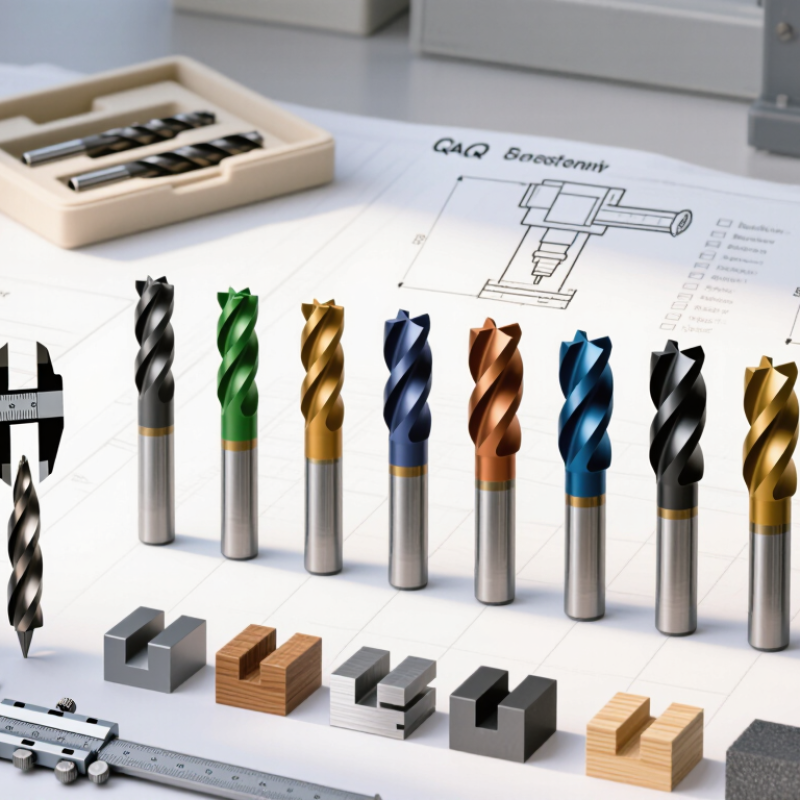
Choosing the China Best Taper Ball Nose Bits Supplier requires more than comparing catalog prices. These tools influence surface quality, tool life, and machining stability. A reliable supplier should explain flute geometry, taper angle, ball radius, carbide grade, coating options, and acceptable runout. Details matter.

In practical machining, Taper Ball Nose Bits must follow the material and cutting strategy. Aluminum may need polished flutes and sharp edges. Hardened steel often requires fine-grain carbide and a suitable coating. Wood, graphite, and composite materials create different demands. The right supplier should provide cutting data, inspection records, and application guidance instead of vague promises.

Dr. Tony Schmitz, a recognized machining researcher, has said, “Good machining decisions begin with understanding the process, not merely selecting a tool.” That principle fits supplier evaluation well. A professional manufacturer should show how tools are ground, measured, tested, and packed. Ask about concentricity checks. Ask for sample results.

Still, supplier selection is not perfectly predictable. A polished website proves little. One successful trial also proves little. Batch consistency matters more. Communication matters, too.

Look for stable dimensions, clear tolerances, responsive engineers, and traceable quality records. Experienced buyers should test several Taper Ball Nose Bits under controlled conditions. Compare tool wear, vibration, chip evacuation, and finished surfaces. A cheaper option may win initially, yet hidden rework can erase that saving. The strongest supplier is not always the largest one. It is the partner that provides honest data, consistent production, and practical support when machining becomes difficult.
China Best Taper Ball Nose Bits Supplier?

What Are Taper Ball Nose Bits?

A taper ball nose bit is a cutting tool with a tapered body and a rounded cutting tip. The taper gradually narrows toward the nose. This design improves rigidity, especially when the tool reaches deep cavities or steep surfaces. The ball-shaped tip creates smooth transitions across curved profiles. Think of molds, sculptures, and three-dimensional parts.

In workshop practice, machinists use these bits for finishing and, sometimes, light roughing. A larger taper angle can resist deflection better, while a smaller ball radius reaches tighter details. Cutting performance depends on feed rate, spindle speed, step-over, and material hardness. Lower step-over values usually leave finer visible marks. They also increase machining time. That trade-off matters.

Choosing a taper ball nose bit requires more than checking its diameter. Match the tool geometry with the cavity depth and required surface finish. Carbide provides useful hardness and stiffness for demanding work, but it can chip after an incorrect collision. Coatings may improve wear resistance, although they cannot correct poor cutting parameters. I have seen a polished tool produce rough surfaces because the machine used excessive step-over. That mistake is easy to overlook. Check runout, flute condition, and holder cleanliness before machining. Supplier reliability also matters: request dimensional inspection records, material information, and sample performance data. A low price means little if the tool varies between batches.

How Taper Ball Nose Bits Are Designed and Manufactured in China

China Best Taper Ball Nose Bits Supplier?

How Taper Ball Nose Bits Are Designed and Manufactured in China

A taper ball nose bit combines a tapered shank with a rounded cutting end. Its geometry supports deep cavity machining and smooth three-dimensional finishing. Designers select the taper angle, ball radius, flute count, and relief angle together. Small changes can affect chip evacuation and surface quality.

Chinese manufacturers usually begin with fine-grain carbide blanks. CNC grinding shapes the taper and ball profile. Several grinding passes reduce thermal damage. After cleaning, selected tools receive a wear-resistant coating. Inspectors then check diameter, ball radius, edge condition, and runout. High-precision orders often use optical measurement systems. A practical target may be runout below 0.01 mm, although the machine, holder, and tool length also matter.

The 2023 USCTI Cutting Tool Market Report placed U.S. cutting-tool consumption near 2.5 billion dollars. A 2024 CNC machine-tool report from Mordor Intelligence also identifies mold-making, automotive, and aerospace as major demand sectors. These figures explain China’s strong focus on repeatable tooling and export-ready inspection. However, catalog claims are not enough. I would request a batch inspection record, coating details, carbide grade, and a sample cutting test. Perfect results are not guaranteed. Tool selection still depends on spindle rigidity, workpiece material, coolant, and programming.

Tips: Ask for measured runout, not only a tolerance promise. Test one batch before ordering larger volumes. Shorter tool overhang usually improves stability.

China Best Taper Ball Nose Bits Supplier? - How Taper Ball Nose Bits Are Designed and Manufactured in China

Typical design, material, manufacturing, and inspection parameters for tapered ball nose bits
Category Parameter Typical Range or Requirement How It Is Designed or Manufactured Why It Matters
Application Primary machining use 3D profiling, die and mold finishing, relief carving, and detailed engraving The tapered shank improves rigidity and access in deep or narrow cavities, while the spherical end produces curved profiles. The tool can reach confined surfaces while maintaining better stability than a straight-shank tool of similar tip size.
Geometry Ball nose radius Approximately 0.5–6 mm for small and medium precision tools The radius is ground from the tool blank and verified against the specified profile using optical or coordinate measurement. A smaller radius produces finer detail; a larger radius generally supports higher material-removal rates.
Geometry Taper angle Commonly about 1°–15° per side, depending on reach and clearance requirements CNC tool-grinding machines generate the conical relief and cutting diameter according to the programmed tool profile. A larger taper increases cross-sectional stiffness, while a smaller taper provides greater access to narrow areas.
Geometry Flute count Typically 2 or 4 flutes; higher flute counts are selected for specific finishing conditions Flutes are formed by CNC grinding, with variable helix or unequal spacing available for vibration control. Two flutes provide more chip space; four flutes can improve finishing efficiency when chip load and coolant are properly controlled.
Material Cemented carbide grade Fine-grain tungsten carbide with approximately 8%–12% cobalt binder for general cutting applications Carbide powder is pressed, sintered, centerless-ground, and then finished by precision tool grinding. Fine-grain carbide combines high hardness with sufficient transverse strength for small-diameter tools.
Material Typical carbide hardness Approximately 90–94 HRA, depending on grade and binder content Hardness is controlled through powder composition, sintering temperature, and quality testing of representative batches. Higher hardness improves wear resistance but may reduce toughness if the grade is not matched to the cutting load.
Cutting Edge Edge preparation A controlled hone or micro-edge preparation, commonly around 0.01–0.03 mm Edges may be honed, brushed, or polished after grinding to remove weak burrs and micro-chips. Proper edge preparation reduces chipping and improves consistency during interrupted or finishing cuts.
Surface Treatment Coating options Uncoated carbide, AlTiN, TiAlN, or other application-specific PVD coatings The tool is cleaned, inspected, and coated in a vacuum PVD process when higher wear or heat resistance is required. Coating selection should match the workpiece, cutting temperature, coolant condition, and required tool life.
Shank Shank diameter Common sizes include 3, 4, 6, 8, 10, and 12 mm; inch sizes are also available Shanks are cylindrically ground and checked for diameter, roundness, and surface defects. The shank must match the tool holder accurately to minimize runout and transfer cutting torque reliably.
Accuracy Runout at the cutting section Precision tools are commonly specified at ≤0.02 mm; tighter values may be available for premium applications Runout is measured with a dial indicator, tool presetter, or optical measuring system after final grinding. Lower runout improves surface finish, balances flute loading, and reduces premature edge wear.
Accuracy Ball profile tolerance Often controlled within approximately ±0.01–0.03 mm for precision finishing tools Profile form, diameter, and concentricity are checked using optical projection or coordinate measurement equipment. Consistent ball geometry helps maintain dimensional accuracy across repeated 3D machining operations.
Manufacturing Core production sequence Blank preparation → flute grinding → taper grinding → ball-end grinding → edge finishing → inspection Computer-controlled grinding equipment is used to repeat the programmed geometry across production batches. A controlled sequence reduces variation and makes custom diameter, length, and flute configurations practical.
Quality Control Inspection records Dimensional report, runout result, visual inspection, and coating or material certificate when applicable Sampling plans or 100% inspection are selected according to tool size, tolerance, order volume, and application risk. Documented inspection makes supplier performance easier to compare without relying only on price or appearance.
Supplier Evaluation Key selection criteria Stable geometry, traceable materials, documented inspection, suitable coatings, and repeatable lead times Evaluate samples using the same holder, machine, workpiece, coolant, and cutting parameters before approving regular production. A controlled trial provides more reliable evidence of performance than catalogue specifications alone.
Note: The ranges shown are representative industry values. Final dimensions, tolerances, carbide grade, coating, and inspection requirements should be confirmed against the selected tool drawing and machining application.

Which Materials and Applications Suit These Cutting Tools?

Taper ball nose bits suit detailed three-dimensional cutting, especially where walls slope and surfaces need a smooth transition. Solid carbide performs well in mold steel, stainless steel, cast iron, graphite, and reinforced composites.

For hardened steel, a fine-grain carbide body and heat-resistant coating can reduce edge breakdown. Cutting data still depends on hardness, machine rigidity, and tool overhang. Small errors matter.

The U.S. Geological Survey’s 2024 Mineral Commodity Summaries identifies tungsten as a critical mineral and reports China as the leading producer. That supply base supports carbide tooling, but it does not guarantee consistent performance.

Buyers should verify carbide grain size, runout, coating type, and inspection records. PCD-tipped versions are more suitable for abrasive aluminum, copper, wood, plastics, and carbon-fiber panels.

The International Aluminium Institute reported global primary aluminum production above 70 million tonnes in 2023, reflecting the scale of machining demand in transport and manufacturing. Softer materials can still damage a tool through built-up edge.

Keep coolant and chip evacuation under control.

For titanium and nickel alloys, use conservative radial engagement and stable clamping. A tapered geometry can reach deep cavities, yet excessive stick-out invites vibration.

I have seen polished surfaces hide weak dimensional control. That is easy to miss.

Supplier evaluation should include trial-cut data, measurement reports, and advice matched to the actual spindle, holder, and workpiece. Generic speed charts are useful, but rarely sufficient.

How to Evaluate a Reliable Chinese Supplier

Choosing the best taper ball nose bits supplier in China requires more than comparing prices. A reliable supplier should explain carbide grade, flute geometry, coating options, and shank tolerance clearly. Ask for drawings with measurable specifications. Vague answers are warning signs.

Request samples before placing a large order. Check surface finish, cutting stability, edge quality, and tool runout with suitable measuring equipment. A practical test on your own material reveals more than a polished catalog. For example, a 0.02 mm runout difference can affect small-radius machining. Keep test records, including spindle speed, feed rate, coolant, and tool life.

Visit the factory online or in person when possible. Review incoming material checks, grinding equipment, inspection reports, and batch traceability. The supplier should identify the responsible quality engineer and explain how rejected tools are handled. Confirm packaging, lead times, replacement terms, and export documents in writing. Communication matters.

It can fail.

Do not trust certificates alone. Verify their scope and current validity through the issuing organization. A supplier may have good machinery but inconsistent final inspection. I have seen attractive samples hide unstable production batches, so a pre-shipment inspection remains useful. Pricing also deserves caution: unusually low quotes may reflect thinner coatings, mixed carbide grades, or limited quality control. Reliable cooperation grows through transparent records, repeatable testing, and honest responses when a problem appears.

What Quality Standards and Service Factors Matter Most?

When buyers seek China’s best taper ball nose bits supplier, ask whether quality can be measured repeatedly. The USGS Mineral Commodity Summaries 2024 reports China produced about 67,000 metric tons of tungsten in 2023. That represented roughly four-fifths of global mine output. This supply advantage matters, but raw-material access does not prove cutting performance. Ask for carbide grade, hardness range, coating specification, edge preparation, and batch inspection records. Certificates can mislead.

For taper ball nose bits, check shank runout, ball-radius tolerance, taper angle, and surface finish. A practical incoming test should record runout with a calibrated gauge. Then compare tool life using identical steel, speed, feed, and coolant. ISO’s Survey 2022 recorded 1.26 million ISO 9001 certificates worldwide. Certification supports process discipline, yet it cannot replace tool-specific evidence. Request samples, dimensional reports, coating adhesion results, and powder-lot traceability. Small details matter. They determine whether a five-axis cutter leaves a clean corner or visible scallops.

Service is part of quality. Reliable suppliers answer technical questions quickly and suggest suitable cutting parameters. They should investigate failures without blaming the machine first. Clarify sample lead time, capacity, packaging, replacement rules, and engineering support before ordering. Put response promises in writing. I would still run a pilot batch; polished reports may hide inconsistent edge preparation. That doubt is useful. A strong supplier should be measurable, reachable, and willing to correct imperfect results.

China Best Taper Ball Nose Bits Supplier? Quality Standards and Service Factors That Matter Most

Recommended evaluation priorities for industrial buyers of taper ball nose cutting tools

Dimensional accuracy and tool consistency are the most important purchasing factors, followed by carbide and coating quality, application performance, delivery reliability, and technical support. These weighted criteria can help buyers compare suppliers using a consistent evaluation framework.

FAQS

What is a taper ball nose bit?

It has a tapered body and a rounded cutting tip. The body narrows toward the nose. This design improves rigidity inside deep cavities. The ball tip creates smooth transitions across curved surfaces.

What machining work suits these cutting tools?

They suit detailed three-dimensional cutting, mold cavities, sculptures, and sloped walls. Machinists commonly use them for finishing. Light roughing is possible. Deep cavities benefit from the tapered shape.

How does step-over affect the surface finish?

A smaller step-over usually leaves finer visible marks. It also increases machining time. Large step-over values can leave obvious ridges. I once saw a polished tool produce a rough surface. The setting was the problem.

How should the tool geometry be selected?

Match the taper angle and ball radius with cavity depth and surface details. A larger taper angle resists deflection better. A smaller ball radius reaches tighter corners. Check the actual geometry, not only the diameter.

Which materials can these bits machine?

Solid carbide versions can machine mold steel, stainless steel, cast iron, graphite, and reinforced composites. Fine-grain carbide helps with hardened steel. PCD-tipped versions suit abrasive aluminum, copper, wood, plastics, and carbon-fiber panels.

Are softer materials always easy to cut?

No. Built-up edge can damage the tool, even in softer materials. Control coolant and chip evacuation carefully. A soft workpiece is not automatically harmless. That assumption needs reconsideration.

What problems can occur with titanium and nickel alloys?

Use conservative radial engagement and stable clamping. Excessive tool overhang can cause vibration. A tapered tool may reach deep areas, but stick-out still matters. Stable cutting is essential.

What should buyers check before selecting a supplier?

Request dimensional inspection records, carbide information, coating details, and sample cutting data. Check runout and batch consistency. Confirm advice matches the spindle, holder, and workpiece. A low price means little otherwise.

Can coatings guarantee better machining results?

No. Coatings may improve wear resistance. They cannot correct poor speeds, feeds, excessive step-over, or weak clamping. Even a coated tool can chip after a collision. Parameters still need review.

Conclusion

Taper Ball Nose Bits are specialized cutting tools with a tapered body and rounded tip, designed to produce smooth contours, curved surfaces, and detailed 3D features. Their geometry helps improve stability, reach, and surface quality when machining molds, dies, prototypes, wood, plastics, aluminum, and other suitable materials. In China, these tools are commonly designed and manufactured through careful selection of carbide grades, precision grinding, controlled heat treatment, and strict dimensional inspection. Different coatings, flute designs, and taper angles can be adapted to match specific materials and machining conditions.

When evaluating a reliable Chinese supplier, buyers should review production capabilities, quality control procedures, sample performance, technical documentation, and communication efficiency. Important standards include consistent tool dimensions, balanced geometry, sharp cutting edges, coating adhesion, and dependable batch-to-batch performance. Flexible customization, reasonable lead times, secure packaging, after-sales support, and clear service terms are also essential. The best supplier is not simply the one offering the lowest price, but the one capable of delivering stable quality, suitable engineering support, and long-term cooperation.

Amelia

Amelia

Amelia is a seasoned marketing professional with a wealth of expertise in our company’s core offerings. With an unwavering passion for driving growth and innovation, she plays a pivotal role in shaping our marketing strategies and enhancing brand visibility. A key aspect of her responsibilities......