
Choosing a China-based Solid Carbide End Mill manufacturer involves more than comparing prices or browsing product photos. The right supplier should understand how tool geometry, carbide grade, coating, and machining conditions work together. A small difference in flute design can affect chip evacuation, surface finish, and tool life, especially when cutting hardened steel or aluminum.
Look closely at practical details. Ask about diameter tolerances, concentricity, inspection methods, and whether the supplier can provide material or quality records. If possible, test samples on your own machine and workpiece. Note spindle speed, feed rate, coolant use, vibration, and the condition of the cutting edges afterward. These observations offer better evidence than a broad performance claim. Details matter.
A capable manufacturer may also support custom dimensions, stable batch production, and clear communication about lead times. Still, no factory is best for every application. A tool that performs well in one setup may disappoint in another. That is easy to overlook. This guide explores how to assess manufacturers in China, compare technical capabilities, and ask useful questions before placing an order. It also considers what dependable quality looks like in daily production, from consistent grinding to documented inspection. Specifications can look convincing on paper; real machining results deserve equal attention. A careful evaluation helps buyers find a supplier whose tools fit their materials, machines, and production goals.
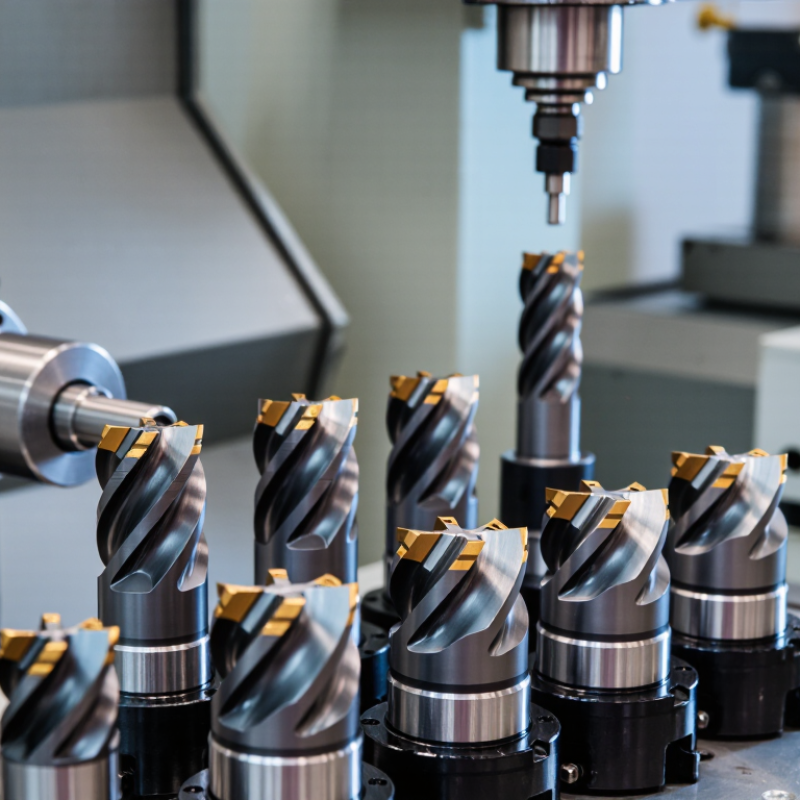
A solid carbide end mill manufacturer in China is defined by consistent engineering, not just a wide catalogue. The maker should explain how flute geometry, helix angle, and edge preparation suit a specific material and operation. For example, a small change in corner radius can affect tool life when milling a narrow slot. Carbide grade matters, too. Reliable manufacturers document material selection, grinding parameters, inspection methods, and batch identification. Ask how runout and cutting-edge quality are checked. Clear answers matter.
Tips: Share the workpiece material, machine rigidity, tool reach, and cutting conditions when requesting a recommendation. A useful trial records feed, speed, wear pattern, and surface finish. Keep the sample and notes.
Good technical support is part of the product. A manufacturer should discuss trade-offs honestly, such as balancing chip evacuation against edge strength. Request drawings, tolerances, and inspection records where relevant, then compare them with your application needs. No supplier can promise perfect results in every setup; even a sound tool may disappoint when the holder, coolant, or workholding is unstable. That detail is easy to overlook. A careful review of trial data helps buyers judge capability beyond polished sales claims.
Solid carbide end mills combine tungsten carbide particles with a metallic binder, commonly cobalt. Their performance depends on more than the carbide label. Fine grains can support hardness and edge retention; coarser grains may improve resistance to chipping. The balance matters. The U.S. Geological Survey’s Mineral Commodity Summaries 2024 estimated global tungsten mine production at 78,000 metric tons in 2023, including 63,000 tons from China. This supply context matters, but it does not prove a tool’s quality or consistency.
Geometry turns material properties into cutting behavior. A high helix can help evacuate chips from a deep pocket, while variable pitch may reduce chatter on a thin-walled part. Small details count. Flute count, core thickness, and corner radius should match the workpiece and machining setup. A coating can reduce friction or improve heat resistance, but it cannot rescue a weak edge or poor chip load. In practice, a polished flute may help with sticky aluminum, while a tougher edge can suit interrupted cuts in harder alloys. There is no universal best design. Even careful selection can miss the mark; test cuts and tool-wear checks remain necessary.
Solid carbide end mills begin with carefully graded tungsten carbide powder and a cobalt binder. Manufacturers blend and press the materials, then sinter them at high temperatures to form a dense blank. The blank is ground into a precise diameter, with flutes shaped to control chip removal and cutting forces. Small details matter. A slight change in flute geometry can affect finish, heat, and tool life.
Production checks often include diameter measurement, edge inspection under magnification, and runout testing. Runout shows whether the cutting edges rotate evenly around the tool’s axis. Even a small deviation may cause vibration or uneven wear. Some manufacturers also apply a coating, then inspect its coverage and surface condition. Testing should use documented settings, including speed, feed, material, and tool projection, so results can be compared across batches.
Cutting trials add useful evidence. A sample end mill may machine a defined workpiece while technicians observe chip shape, surface finish, and edge wear. The result is not universal: machine rigidity, tool holding, and coolant can change performance. A clean test is valuable, but it cannot represent every workshop. That limitation deserves attention. Reliable manufacturers record measurements and test conditions, while reviewing defects to improve grinding or process control.
Solid carbide end mills serve automotive, aerospace, mold-and-die, medical-device, and general engineering shops. Common tasks include slotting, pocketing, profiling, and finishing. On automotive lines, they machine aluminum motor housings, steel brackets, and transmission features. OICA’s 2023 production statistics record 93.5 million vehicles built worldwide. That scale creates pressure for repeatable dimensions, not simply fast metal removal. The IEA’s Global EV Outlook 2024 expected electric-car sales to reach about 17 million in 2024, or more than one-fifth of car sales. This shift adds milling work on battery enclosures, cooling plates, and compact motor parts.
In aerospace, cutters shape titanium fittings, nickel-alloy components, and thin-wall structures, where heat and deflection need close control. Mold shops use them on hardened-steel cavities, ribs, and small corner radii. Medical machining also relies on small-diameter tools for stainless-steel and titanium components. Details matter. Tool choice depends on hardness, flute geometry, reach, coolant access, and machine rigidity. A high tooth count can improve finish, yet chip evacuation may suffer in a deep pocket. That trade-off is easy to miss. A tool that cuts cleanly in a short test may chatter on a long reach; shop-floor trials still matter.
Solid carbide end mills are used in industries such as aerospace, automotive, medical-device manufacturing, mold making, and general engineering. The ratings shown are illustrative comparisons of common milling tasks—not measured performance data or market shares. Actual suitability depends on the tool geometry, workpiece material, machine, and cutting conditions.
China Best Solid Carbide End Mill Manufacturer
How to Evaluate a Chinese End Mill Manufacturer
A capable manufacturer should explain how its end mills match your material, machine, and cutting conditions. Ask for specifications covering carbide grade, flute geometry, coating, and dimensional tolerances. Then compare those details with your actual application, not just a product catalog. For example, a four-flute tool may suit a particular steel operation, but tool life still depends on setup and cutting parameters. Ask for test conditions behind any performance claims. Numbers without context are not very useful.
Review sample inspection reports and confirm which dimensions are measured, how often, and with what equipment. Ask how the supplier handles tool breakage, inconsistent batches, and changes to production processes. Clear answers matter. So does steady communication during sampling. Check lead times, packaging, and export documents before placing a large order. A video call or facility visit can help verify equipment and quality procedures, though neither guarantees consistent results. I would not judge capability from polished photos alone.
Tips: Send a small, defined trial order. Record tool life, surface finish, and dimensional results under consistent conditions. Ask for a corrective-action report if results vary. Keep your own notes; supplier data may not reflect your machine or setup.
| Evaluation Dimension | What to Check | Useful Evidence | Suggested Weight |
|---|---|---|---|
| Product range and application fit | Confirm availability of the required tool types, diameters, flute counts, geometries, coatings, and workpiece-material recommendations. Check whether the supplier supports standard and custom tools. | Current catalog, dimension drawings, application guidance, and a written response to your tool specification. | 15% |
| Carbide and coating specifications | Ask for the substrate and coating details relevant to the application. Verify that claims distinguish the carbide grade, coating type, and tool geometry rather than relying on broad descriptions such as “high quality.” | Technical data sheets, product drawings, coating specifications, and traceable batch information where available. | 15% |
| Dimensional and runout control | Check the stated tolerances for cutting diameter, shank diameter, overall length, and reach. Ask how runout is measured and whether inspection requirements can be agreed before production. | Tolerance drawings, sample inspection reports, measurement methods, and acceptance criteria for the order. | 15% |
| Quality management and inspection | Assess how incoming materials, production steps, and finished tools are checked. Treat quality-system certificates as supporting evidence, not as a substitute for product-specific inspection results. | Current certificates with scope and validity details, inspection records, nonconformance procedures, and sample reports tied to the relevant product or lot. | 15% |
| Manufacturing capability and process control | Determine which processes are performed in-house and which are outsourced, including grinding, coating, inspection, and packaging. Confirm how revisions and production batches are controlled. | A process overview, facility or process audit, equipment and inspection capability details, and documented order-control practices. | 10% |
| Application testing and technical support | Ask whether the supplier can recommend cutting parameters for the specific machine, workholding, material, and operation. Compare tools using a controlled trial rather than relying on unsupported performance claims. | Written test plan, documented cutting conditions, wear or tool-life observations, and a technical contact for troubleshooting. | 10% |
| Sampling, lead time, and delivery consistency | Clarify sample availability, production lead time, minimum order requirements, packaging, and how delays are communicated. Confirm that quoted lead times apply to the specified products and quantities. | A written quotation, sample-order terms, delivery schedule, packaging details, and references or records for comparable orders where available. | 10% |
| Communication and commercial clarity | Evaluate response accuracy, technical follow-up, quotation completeness, payment terms, shipping terms, and the process for handling changes or complaints. | Clear written specifications, itemized quotation, agreed shipping and payment terms, and documented complaint or replacement procedures. | 10% |
| Total suggested evaluation weight | 100% | ||
Suggested weights are a buyer evaluation framework, not an industry certification or universal performance standard. Verify specifications and claims against the requirements of your application.
It should explain how flute shape, helix angle, and edge preparation suit your material and operation. Ask how it checks runout, cutting edges, and batch consistency. Clear records help. A wide catalogue alone proves little.
Solid carbide combines tungsten carbide particles with a metallic binder, often cobalt. Fine grains can support hardness and edge retention. Coarser grains may resist chipping better. The balance matters, and the material label alone cannot confirm consistent quality.
Match flute count, core thickness, helix, and corner radius to the workpiece and setup. A high helix can help move chips from a deep pocket. Variable pitch may reduce chatter on thin walls. Small details count.
No. A coating may reduce friction or improve heat resistance, but it cannot rescue a weak edge or poor chip load. A polished flute may help when milling sticky aluminum. Testing is still needed.
Shops use them for slotting, pocketing, profiling, and finishing. Applications include aluminum housings, hardened-steel molds, and titanium or stainless-steel components. Tool choice depends on the material, reach, coolant access, and machine rigidity.
Share the workpiece material, machine rigidity, tool reach, and cutting conditions. Record feed, speed, wear patterns, and surface finish during a trial. Keep the sample and notes. It is easy to overlook one setup detail.
A longer reach can increase deflection and chatter, even if a short cut looked clean. Unstable workholding, a poor holder, or limited coolant access can also affect results. The tool may not be the only issue.
Request drawings, tolerances, inspection records, and batch identification where relevant. Compare them with your application needs, then review trial data. No tool performs perfectly in every setup. I might still miss a factor, so shop-floor checks matter.
A reliable Solid Carbide End Mill manufacturer in China is defined by more than production capacity. Material selection, engineering knowledge, consistent quality controls, and the ability to adapt tool designs to different machining needs all matter. End mills may vary in flute geometry, coating, diameter, and cutting-edge design to suit materials ranging from aluminum to hardened steel. Careful manufacturing processes, followed by inspections and performance testing, help ensure dimensional accuracy, durability, and predictable cutting results.
These tools serve industries such as automotive, aerospace, mold making, electronics, and general manufacturing, supporting tasks including slotting, profiling, and finishing. When evaluating a Chinese manufacturer, buyers can consider technical support, production capabilities, quality documentation, customization options, communication, and delivery reliability. Comparing these factors helps identify a supplier whose tools and service match the requirements of a particular machining application.
